We Moved Back to California
Loving our years in Wisconsin, and why California's policies pulled us back
A running theme across everywhere we’ve lived: you don’t need a car to reach a trailhead. It just takes a willingness to look a little harder at the transit map than most people bother to, and sometimes a willingness to look genuinely foolish standing at a rural bus stop at five in the morning wondering if you read the schedule right. Here’s a collection of the trips that made that point best, spanning a few different states and a lot of different kinds of transit.
We’ve actually been doing this a lot longer than it might look from the trips below. Our very first camping trip together was the South Shore Line out of Chicago to the Indiana Dunes. Our second trip was riding the Blue Line out to the end of the line and biking from there into a state park. Long before we owned an ebike or called any of this a “thing,” before we’d ever posted a caption with the words transit to trails in it, we were already reaching for a bus schedule and a bike over a car by default.
That habit carried on for years before any of the trips in this roundup too: we’ve taken bikes on the Sunset Limited from LA to Tucson, and on the Southwest Chief from Santa Fe to Chicago. This roundup is really just the more recent, better documented chapter of something we’ve been doing since our first date, basically.
One winter, brief but heavy, we managed another transit-to-trail XC ski edition, with snow sticking to the trees all through the UW Madison arboretum. We feel lucky to be able to take the bus to a forest that magical, even if we wish there was a bit less of a cold walk from the bus stop dragging skis behind us. It’s a small inconvenience, honestly, compared to what it would take to get most people to leave their car at home for a morning of skiing, and we’d love to see that walk get shorter for everyone else’s sake, not just ours.
There was a quieter thought underneath that whole trip too, one that’s been harder to shake the more winters we get to see. It doesn’t feel like a foregone conclusion anymore that we’ll get a real snowy winter every single year for the rest of our lives, the way it did when we were kids. So we’ve started trying to actually notice these mornings while we have them instead of assuming there will always be another one.
We found the same joke summed up perfectly in an unlikely place too, a Montreal sculpture of a lineup of athletes, where the cross country skier looks way more exhausted and miserable than everyone else around it. Painfully accurate.
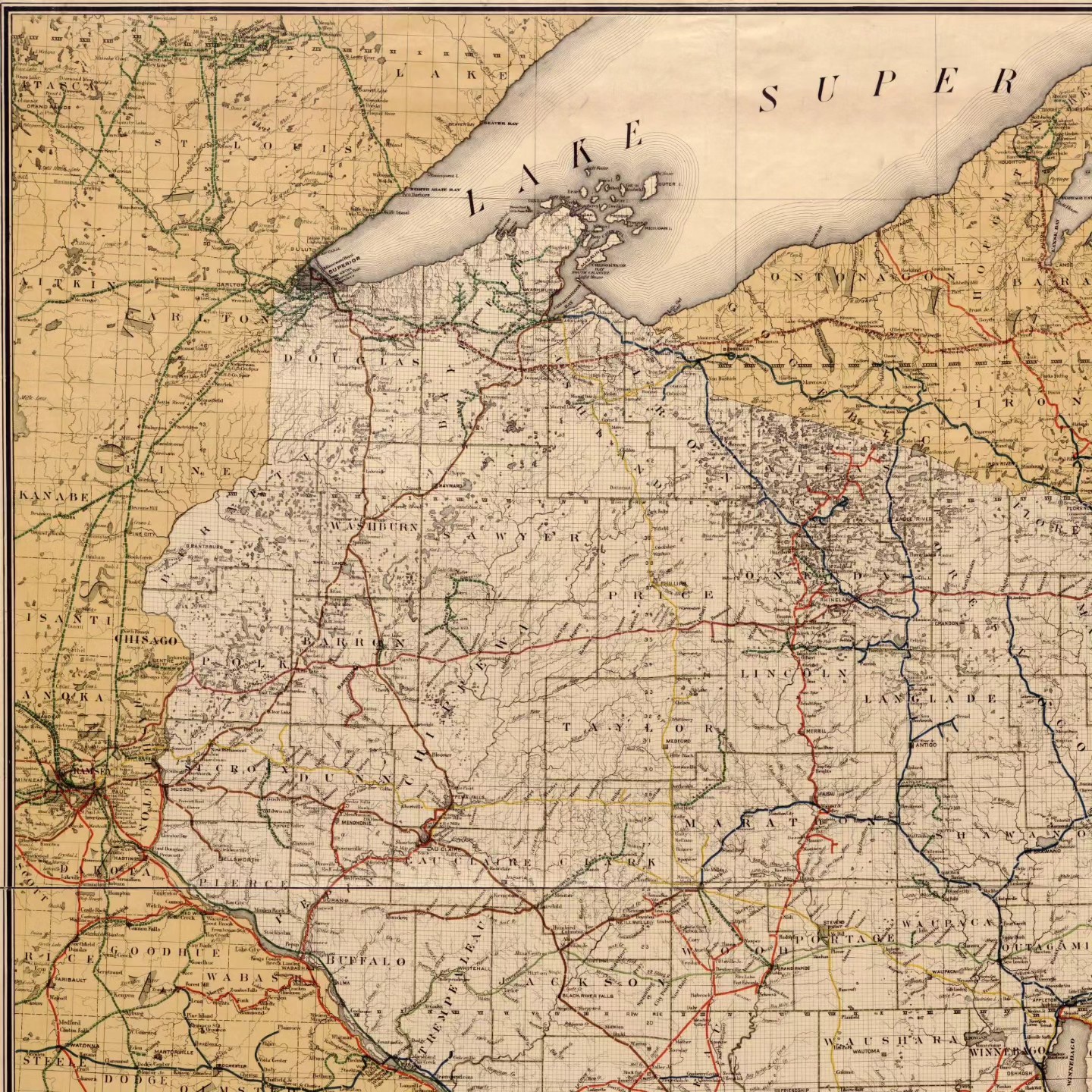
Public transit in the U.S. is the real adventure, and this trip is the most literal example of that we’ve ever pulled off. Getting to the Apostle Islands took four days of stringing together buses and trains before we ever touched a kayak, and honestly we went into it not entirely believing we’d make it work at all.
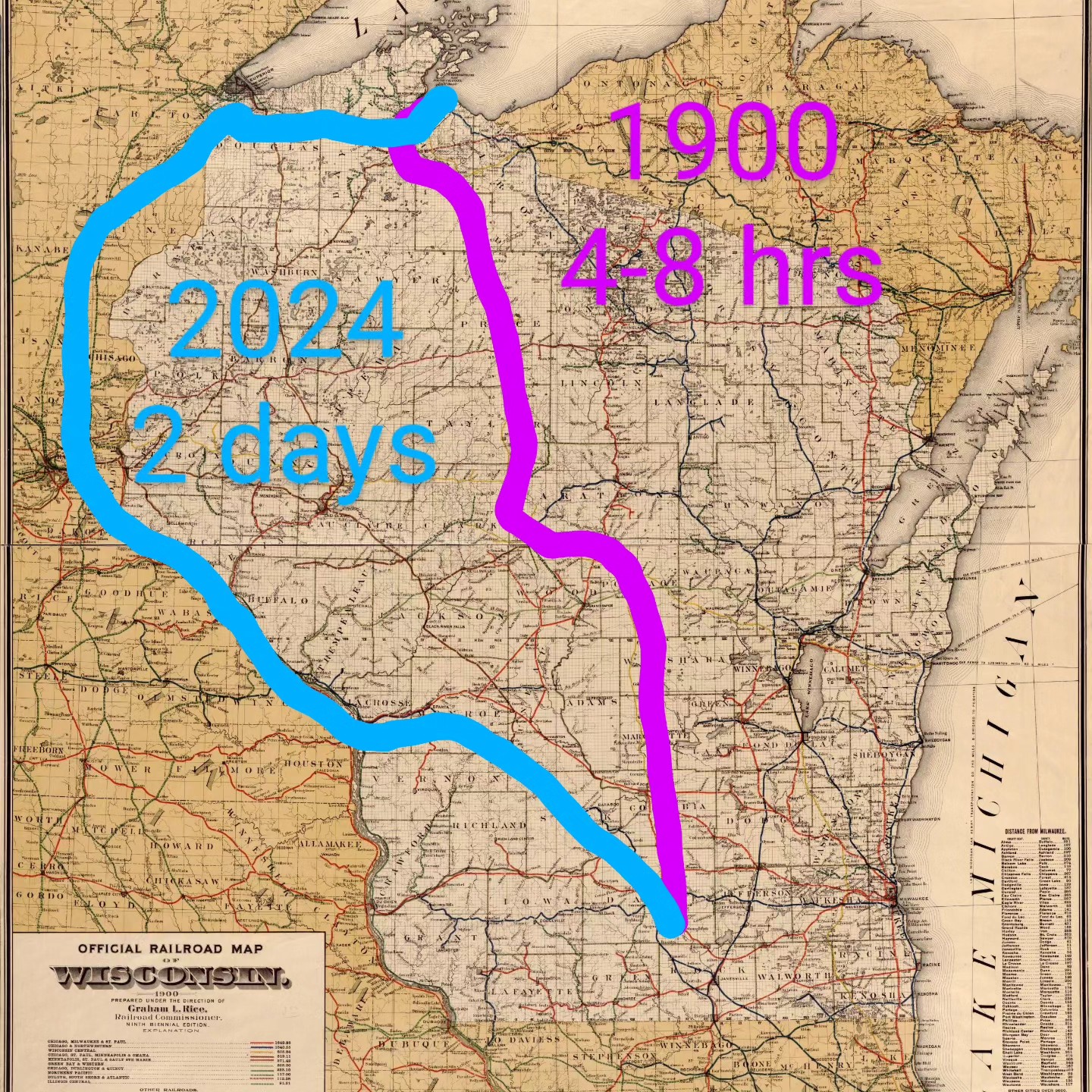
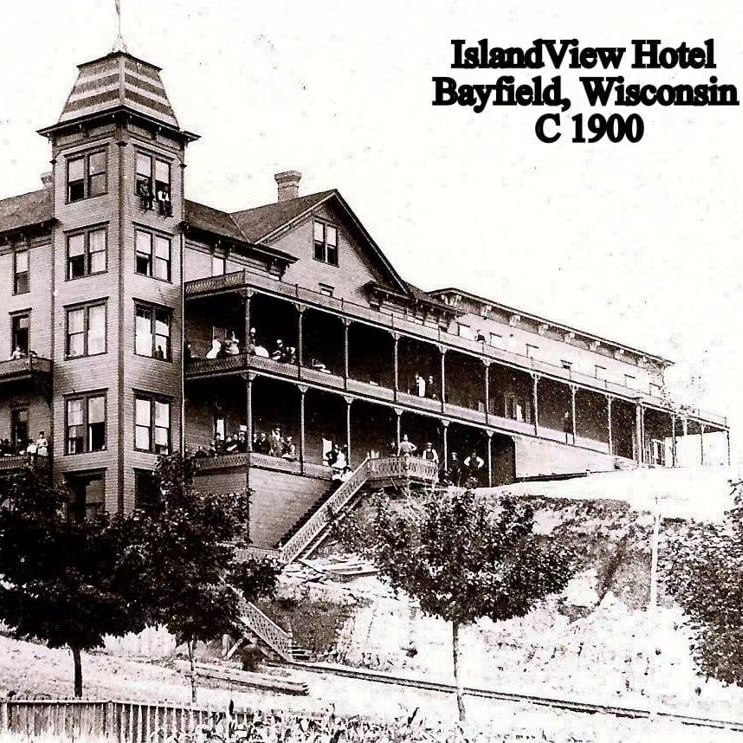
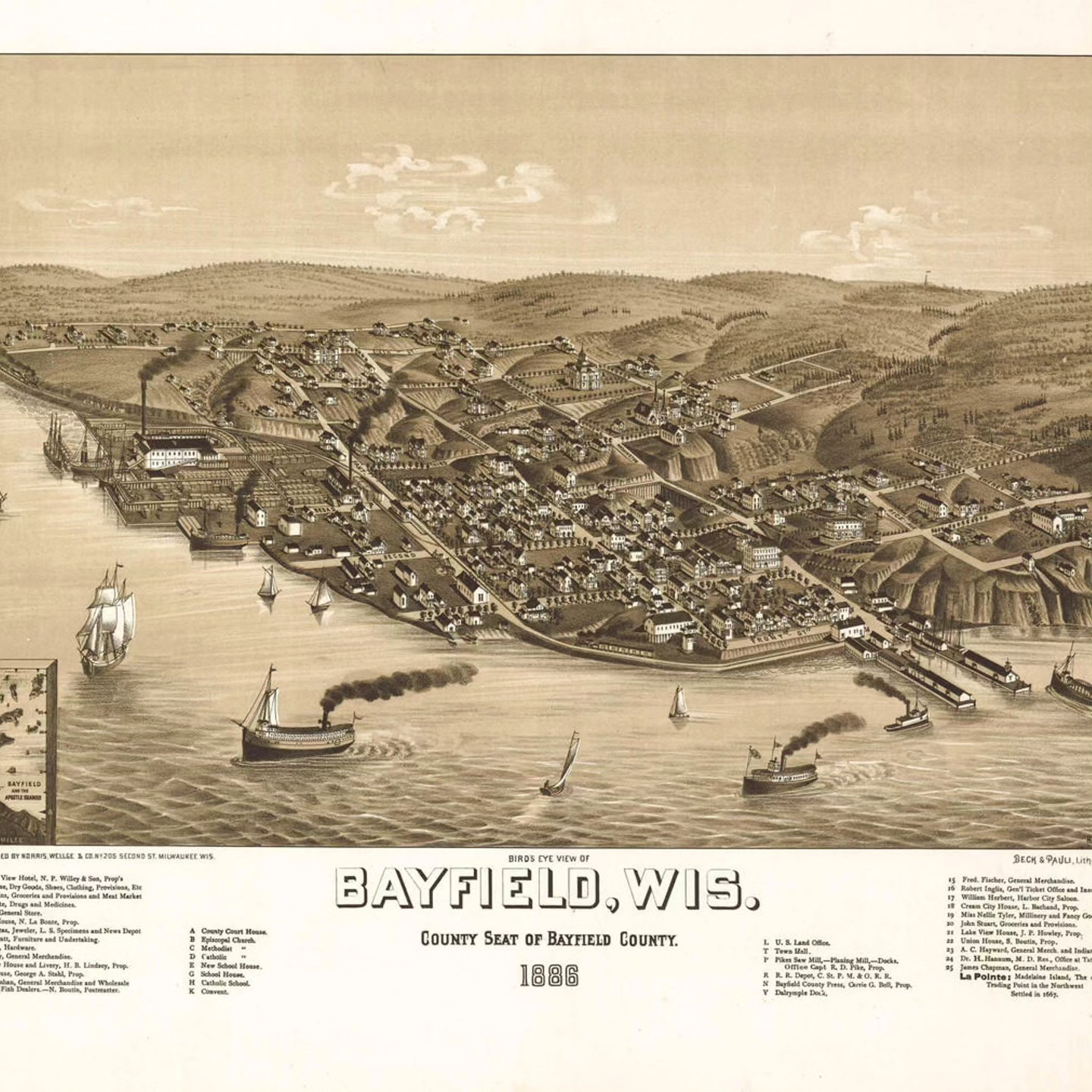
We did the research first, the way we always do, and what we found out only made the whole thing feel more absurd and more worth attempting. Back around 1900, trains ran all over Wisconsin, including the Wisconsin Central line running straight down the middle of the state, moving at speeds that sound almost unbelievable now, something like 80 miles an hour on steam, faster still on the electric trains that existed elsewhere at the time. Tourism boomed in Bayfield on the strength of that rail access alone, with the railroads themselves building the resorts people stayed in once they arrived, places like the old Island View hotel. Today, getting from Madison to Bayfield by public transit still technically works, if you’re patient and a little bit stubborn about it, three separate bus lines plus the region’s own Bay Area Rural Transit, which really is abbreviated BART, a coincidence that felt almost too on the nose once we actually moved to the real Bay Area a year later. Three hundred miles, door to door, comes out to about two full days of travel with stopovers in Minneapolis, Duluth, and Ashland.
Day one was Madison to Duluth. We stayed the night there, then spent an entire second day just getting from Duluth to Ashland, Wisconsin. The next morning we were up long before sunrise to wait for a tiny rural transit bus we genuinely weren’t sure was going to show. It did, and it got us to a transfer onto a bus that runs out past a tribal casino, which turned out to be the only way to reach the state park where our kayak outfitter actually launched from. We stood there in the dark going over the schedule one more time, half convinced we’d misread something, until the headlights finally came around the bend.
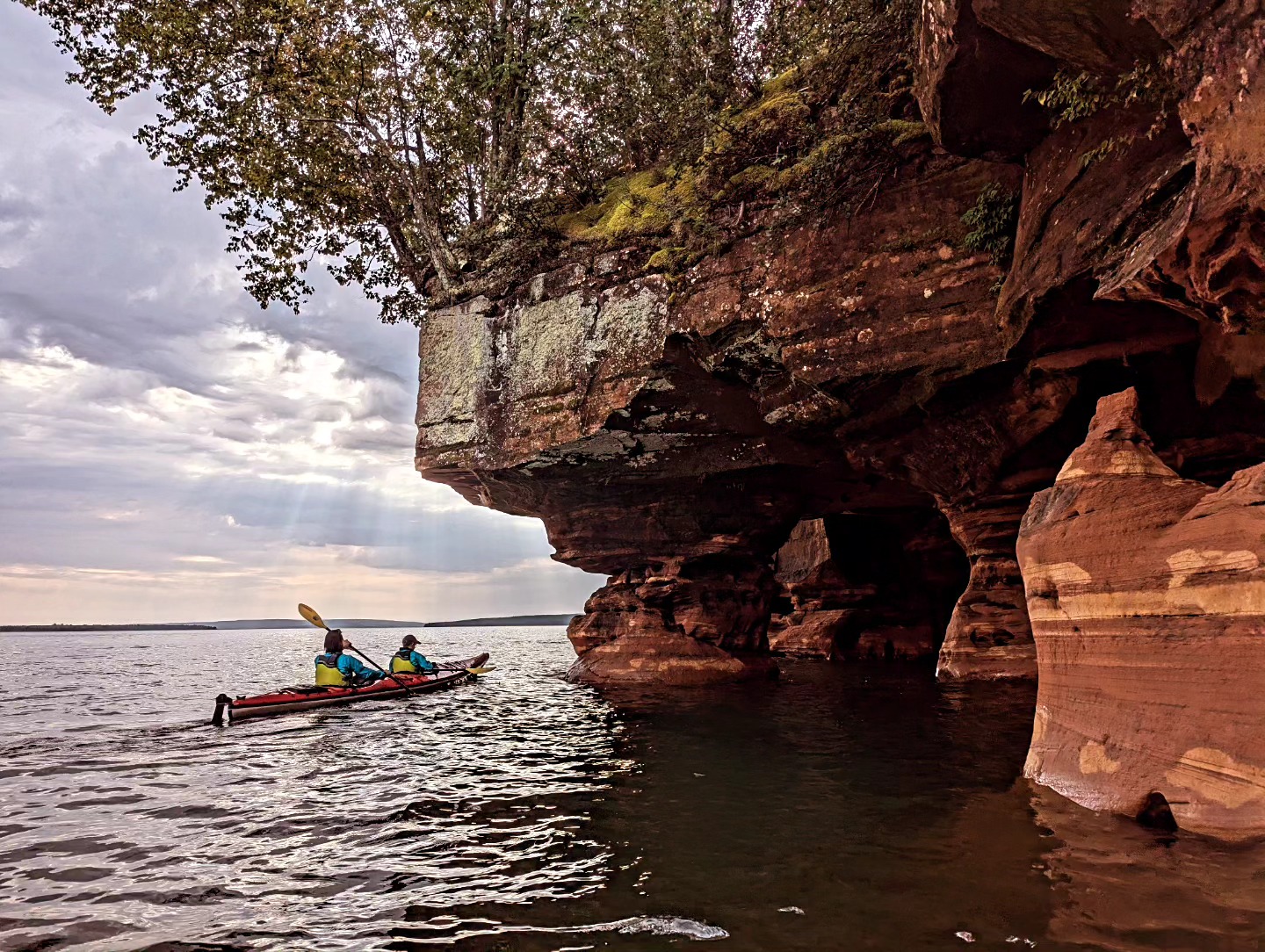
Then, finally, the trip we’d actually come for. We spent three days out with White Cap Kayak, who could not have been more fun, educational, or accommodating of our vegan diet along the way, exploring sandstone sea caves on Sand Island that were genuinely breathtaking, the kind of formations that make you understand why people used to tell stories about places like this. We battled real headwinds and choppy water to reach Raspberry Island, the hardest paddling either of us had done in a long time, and closed out the trip with a quiet, serene night camped on York Island, all part of the Apostle Islands National Lakeshore, the water finally calm again after two days of fighting it. It reminded us so much of the San Juan Islands out in Washington, and it was honestly a little stunning to find that same kind of beauty sitting right here in the Midwest, a few hundred miles from home instead of a flight away.
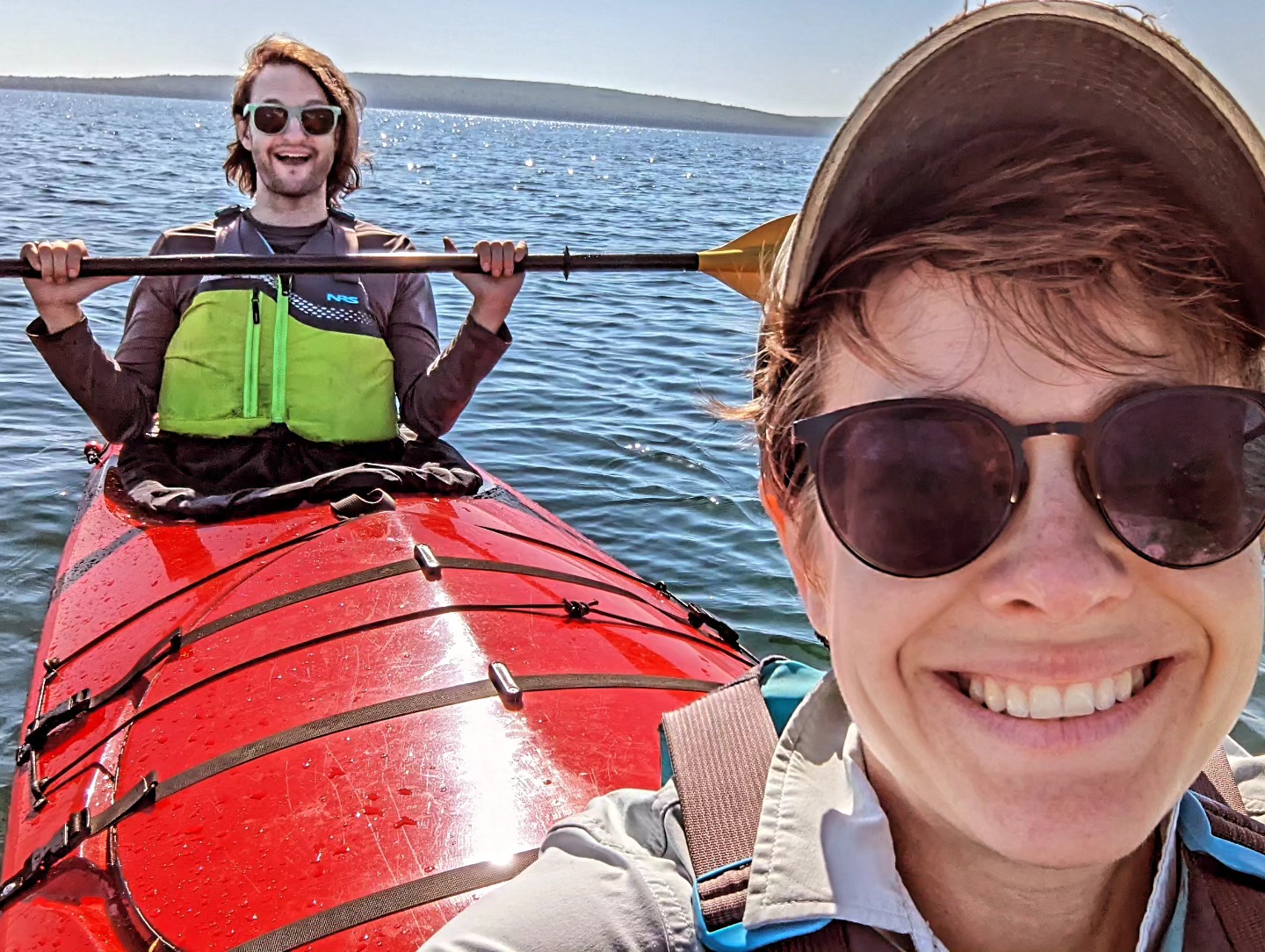
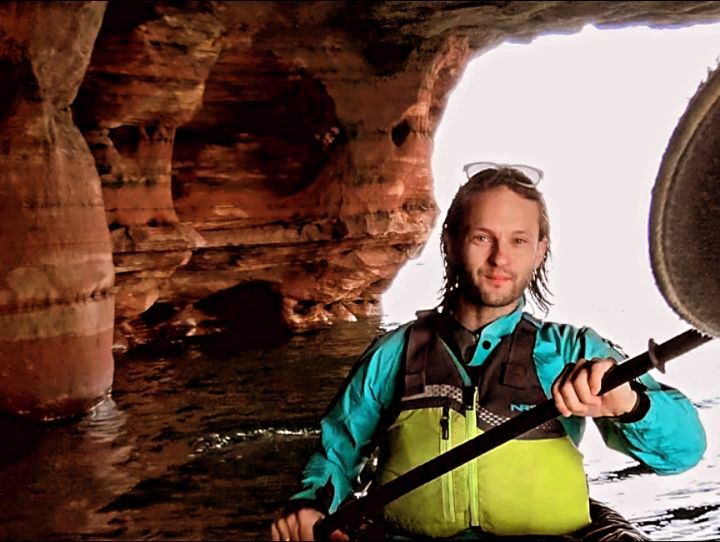
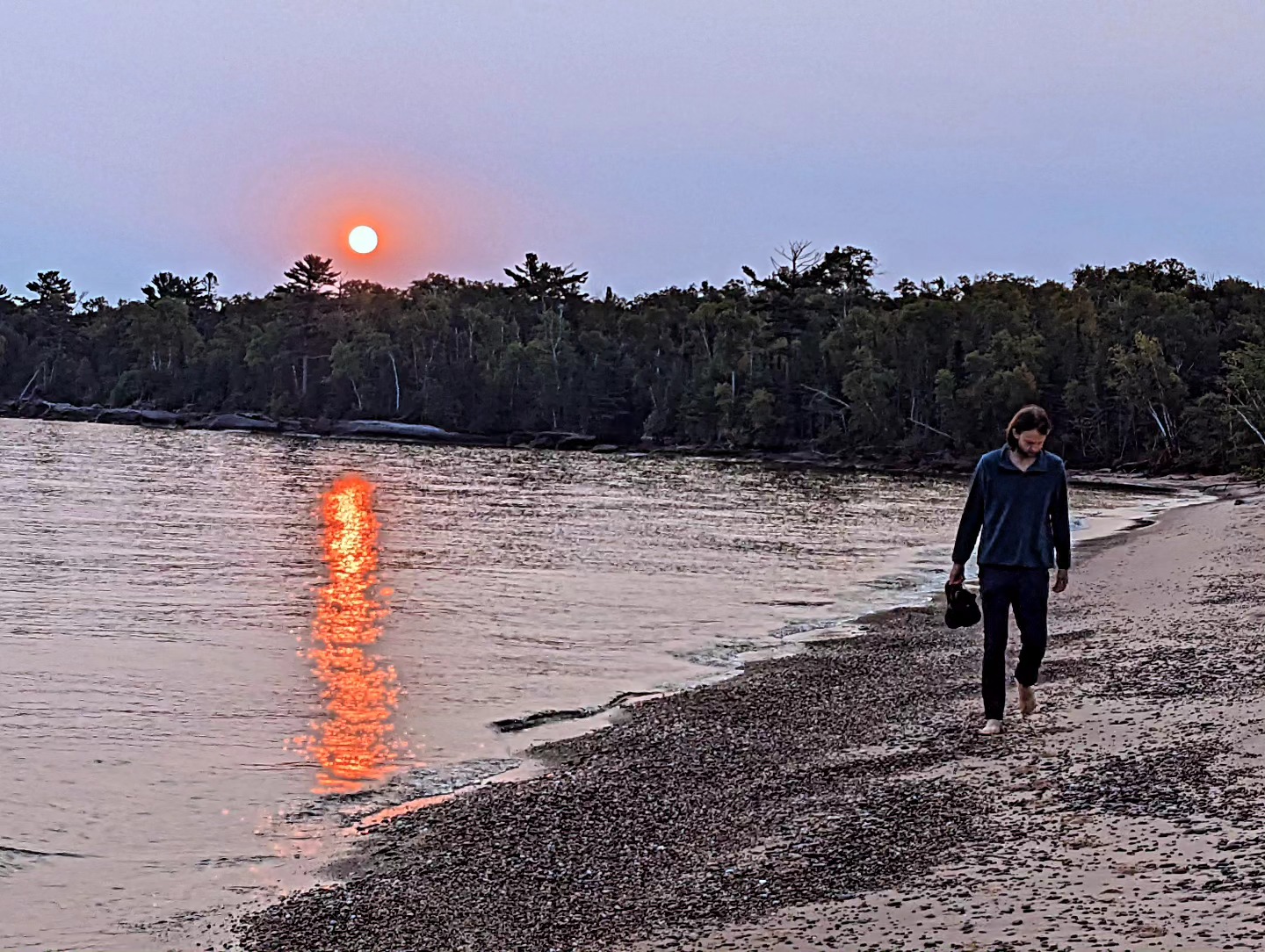
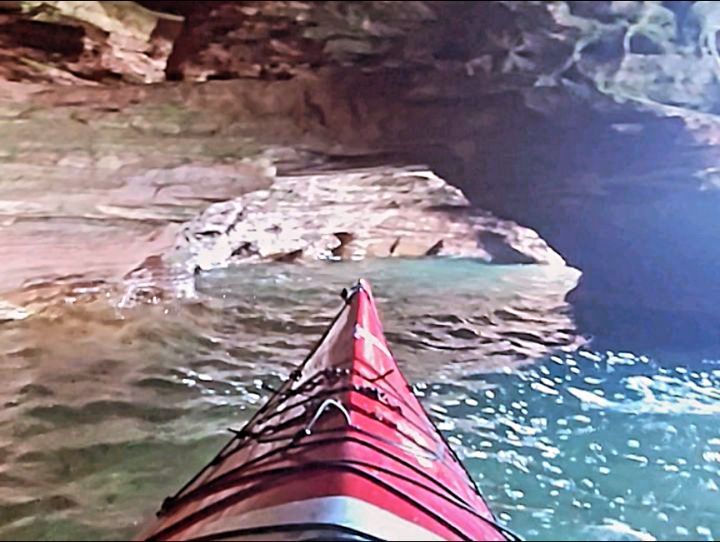
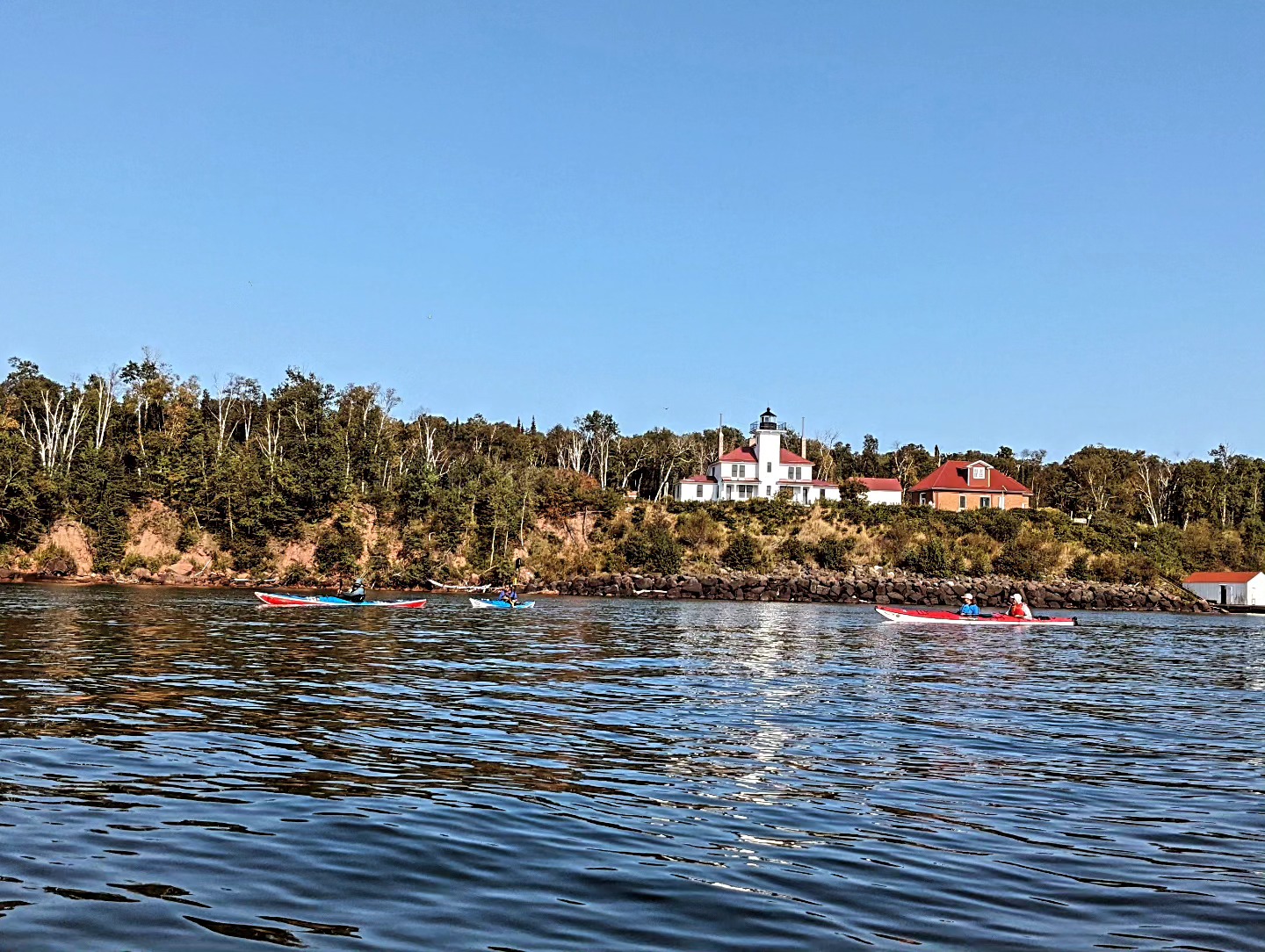
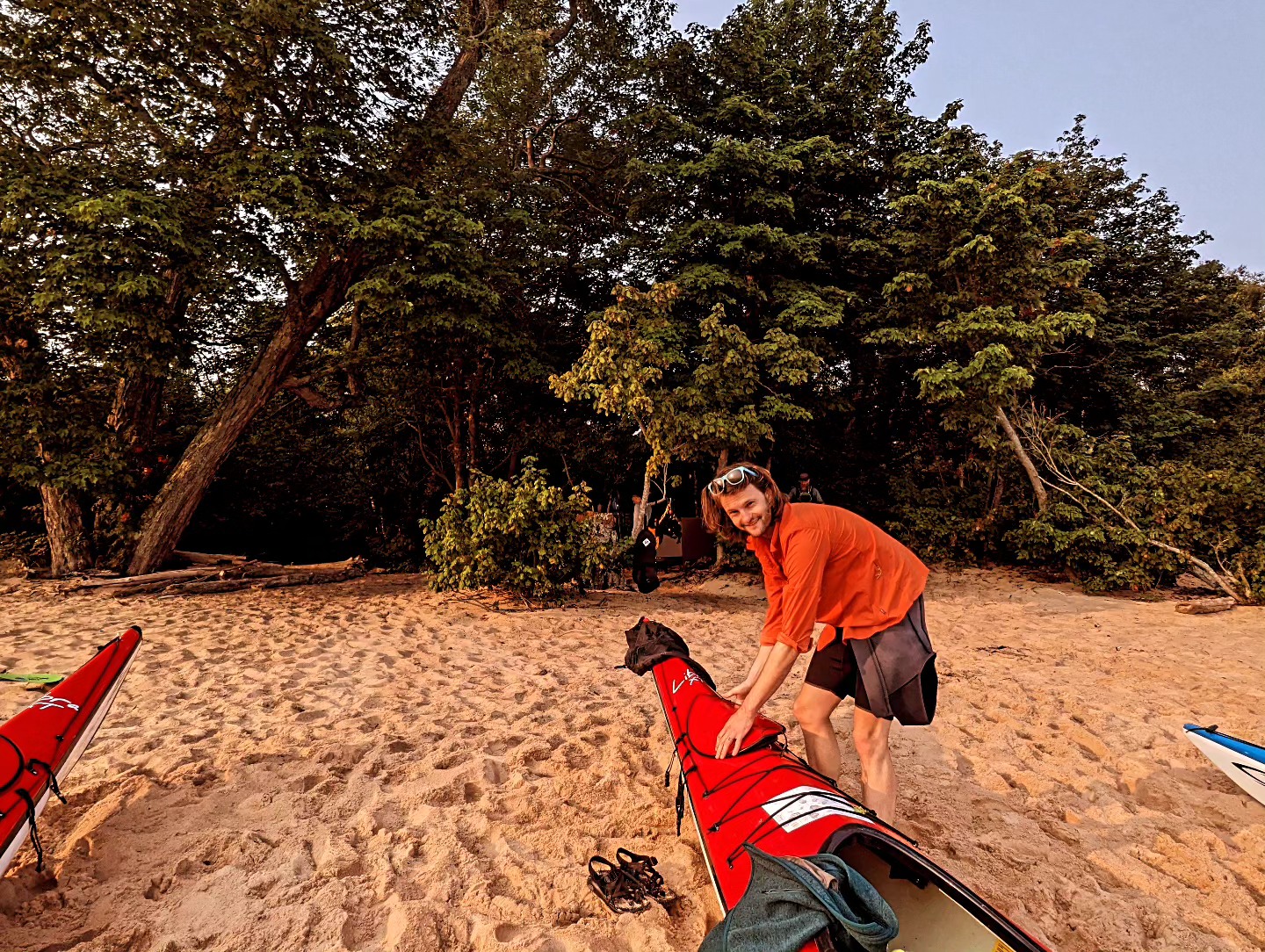
Getting home was its own multi-day project, mirroring the trip out almost exactly. We stayed in Bayfield after paddling back in, spent a full day getting from Bayfield to Duluth to Minneapolis, and a final day getting from Minneapolis back home to Madison. Six days of travel wrapped around three days of actual kayaking, and we’re still a little amazed the whole chain of tiny buses and connections held together without a single missed transfer.
Turns out we weren’t discovering anything new by trying this. We were tracing a route people were already taking by rail over a century ago, back when getting to Bayfield to beat the summer heat was such an ordinary thing to do that whole resorts got built around it. We just did it with a lot more transfers, and no fewer than four different agencies’ schedules memorized by the end.
Back on the West Coast, we did a real BART-to-bike-to-hike day this time, the Bay Area kind, out to the Lafayette stop and up to the Rheem Valley trail and the Lafayette reservoir. Simple, reliable, repeatable pretty much any weekend, and a nice reminder of how much easier this whole lifestyle gets once the regional transit system is actually built for it instead of stitched together out of rural leftovers.
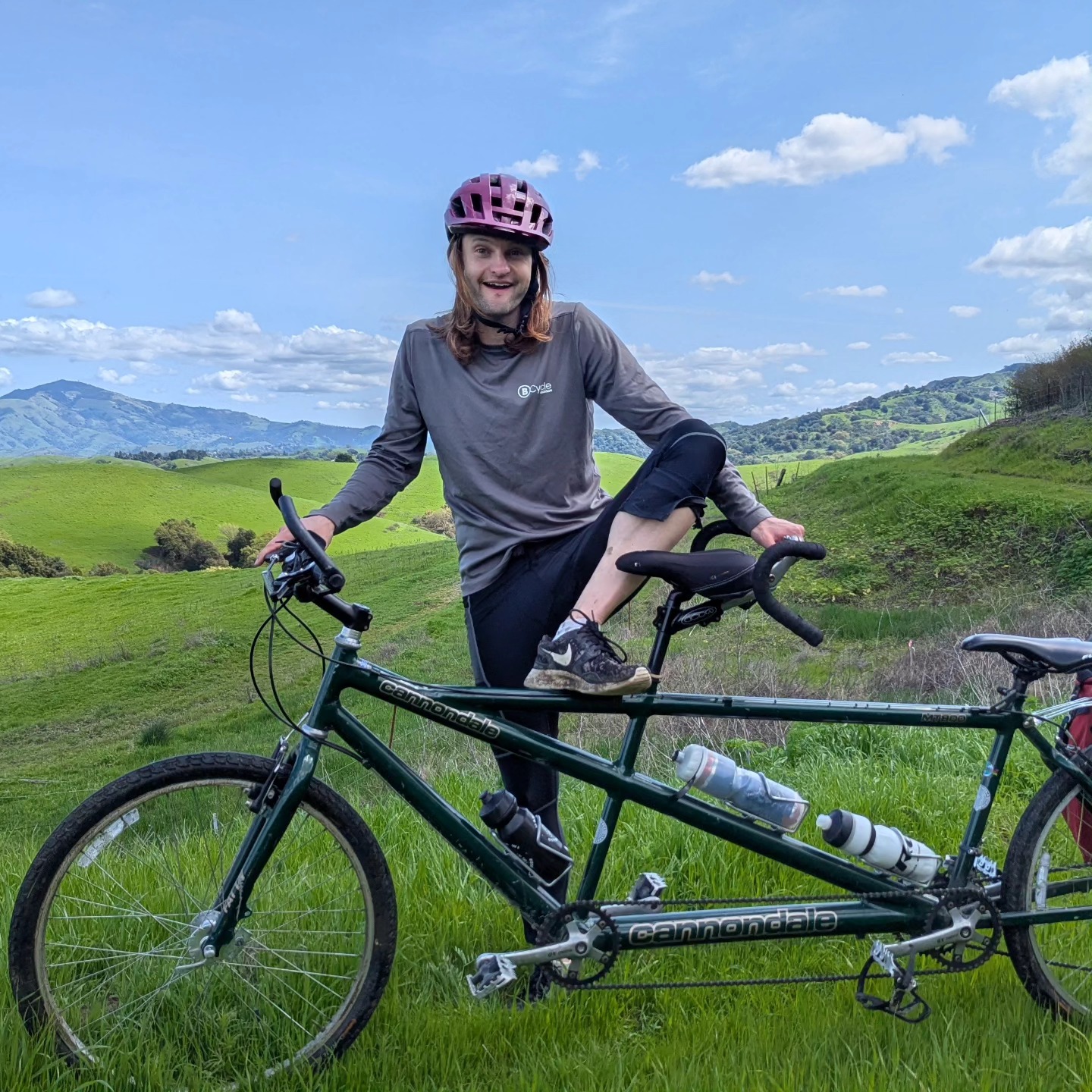
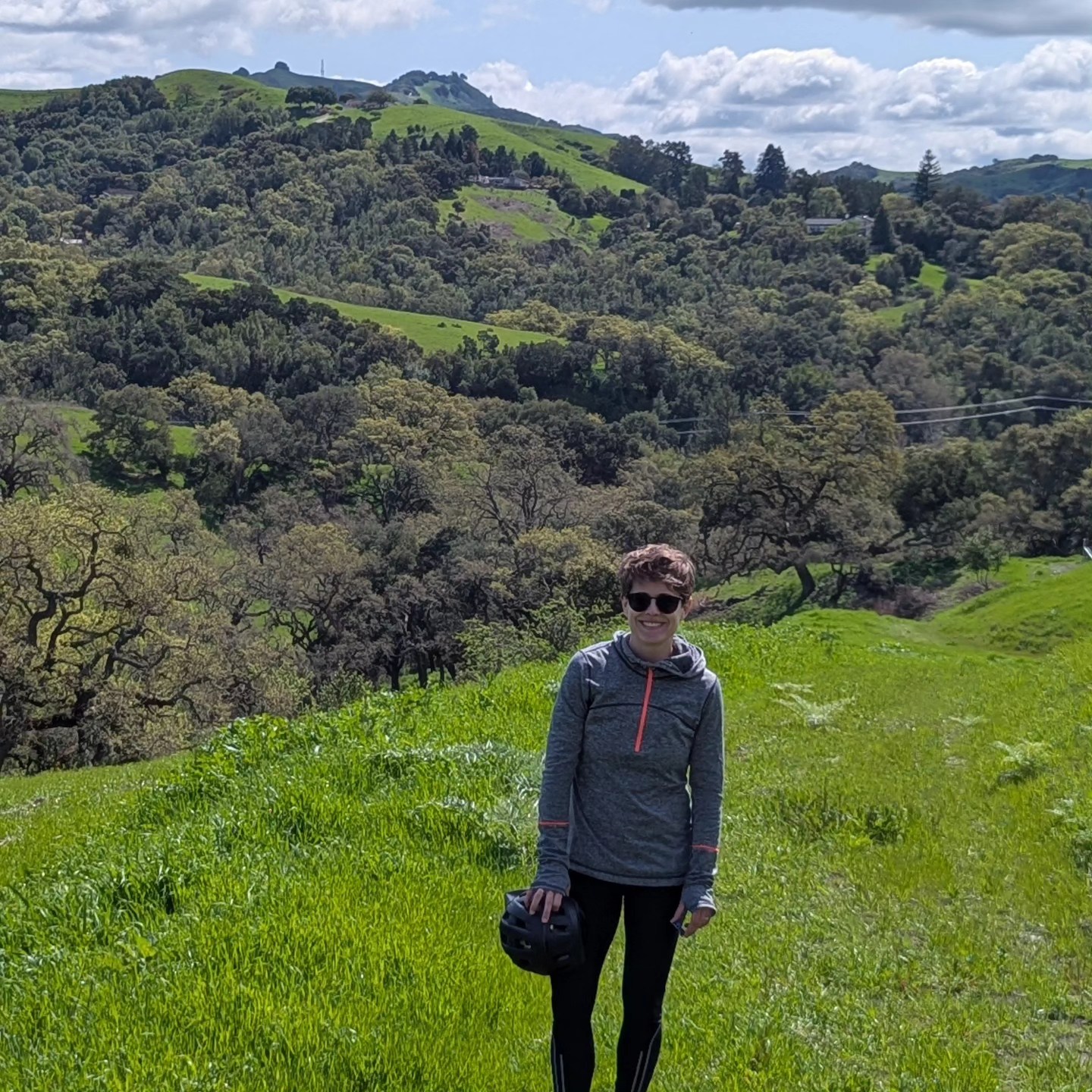
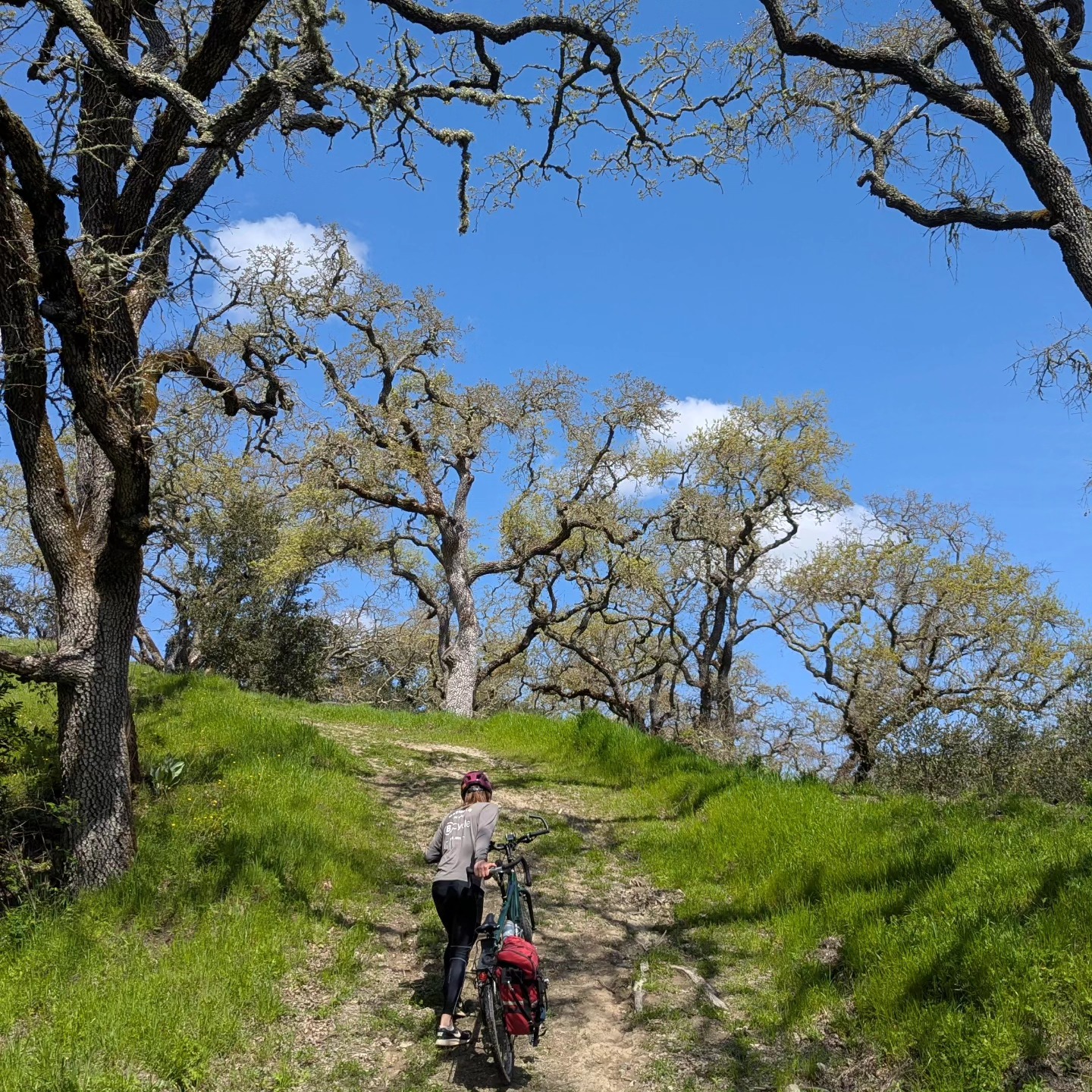
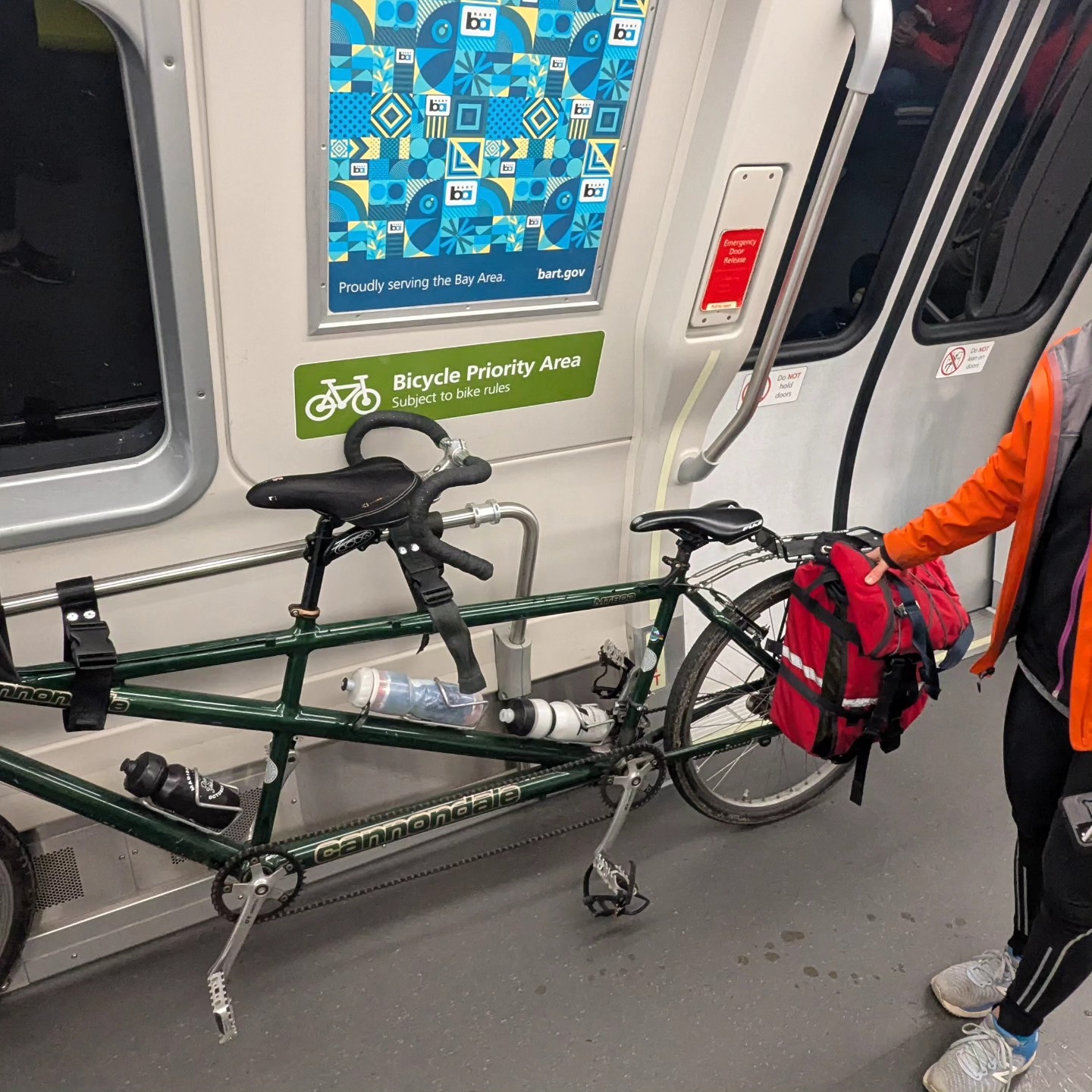
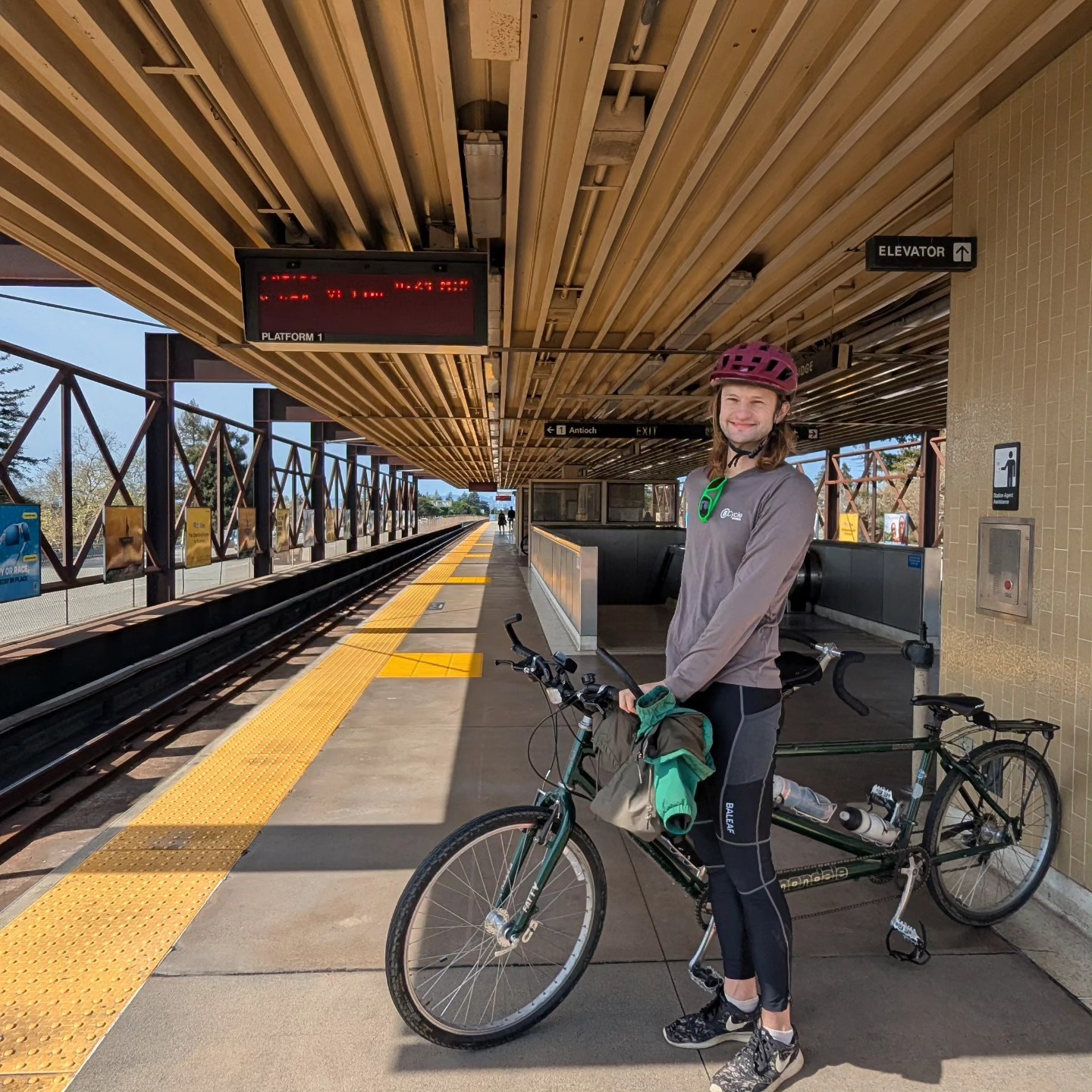
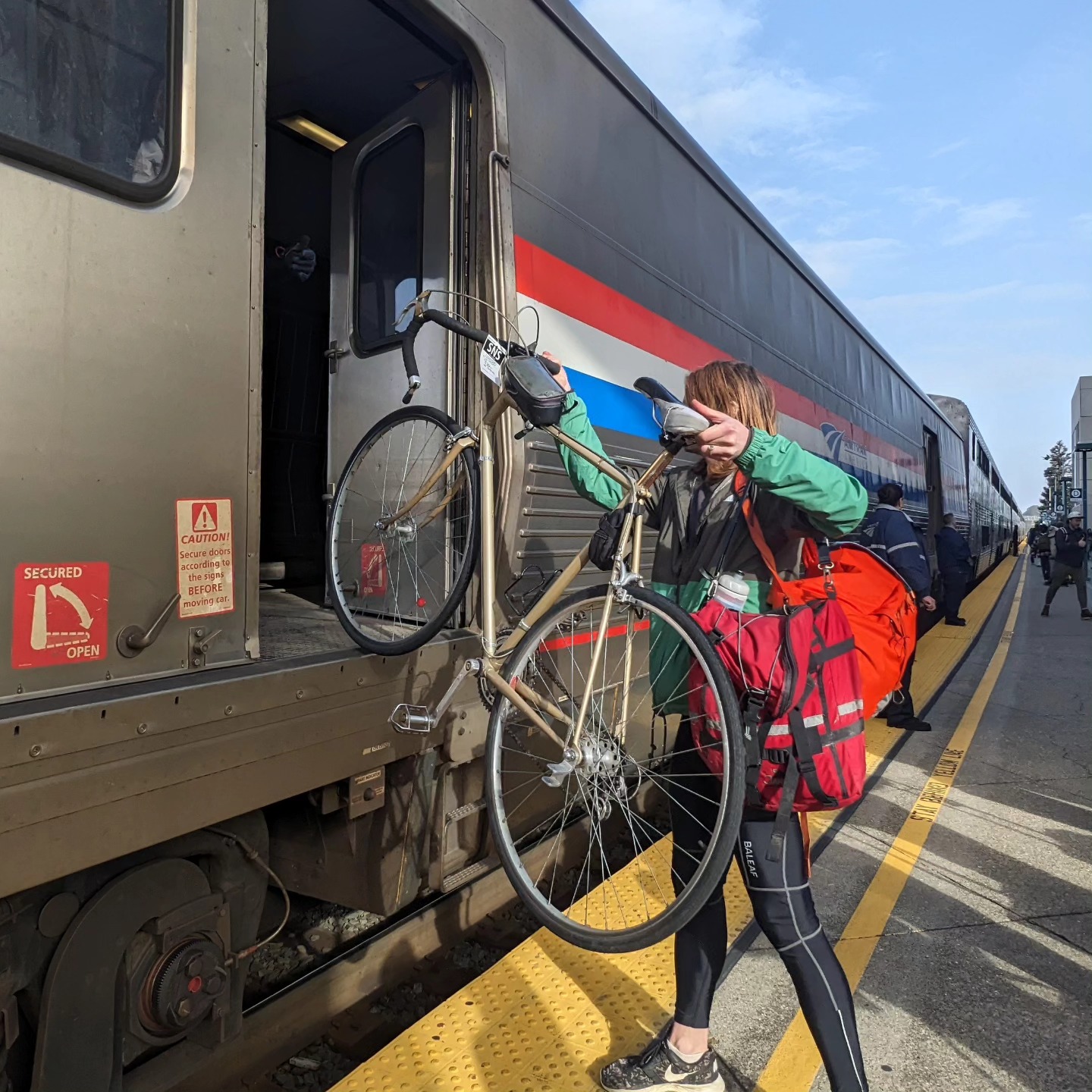
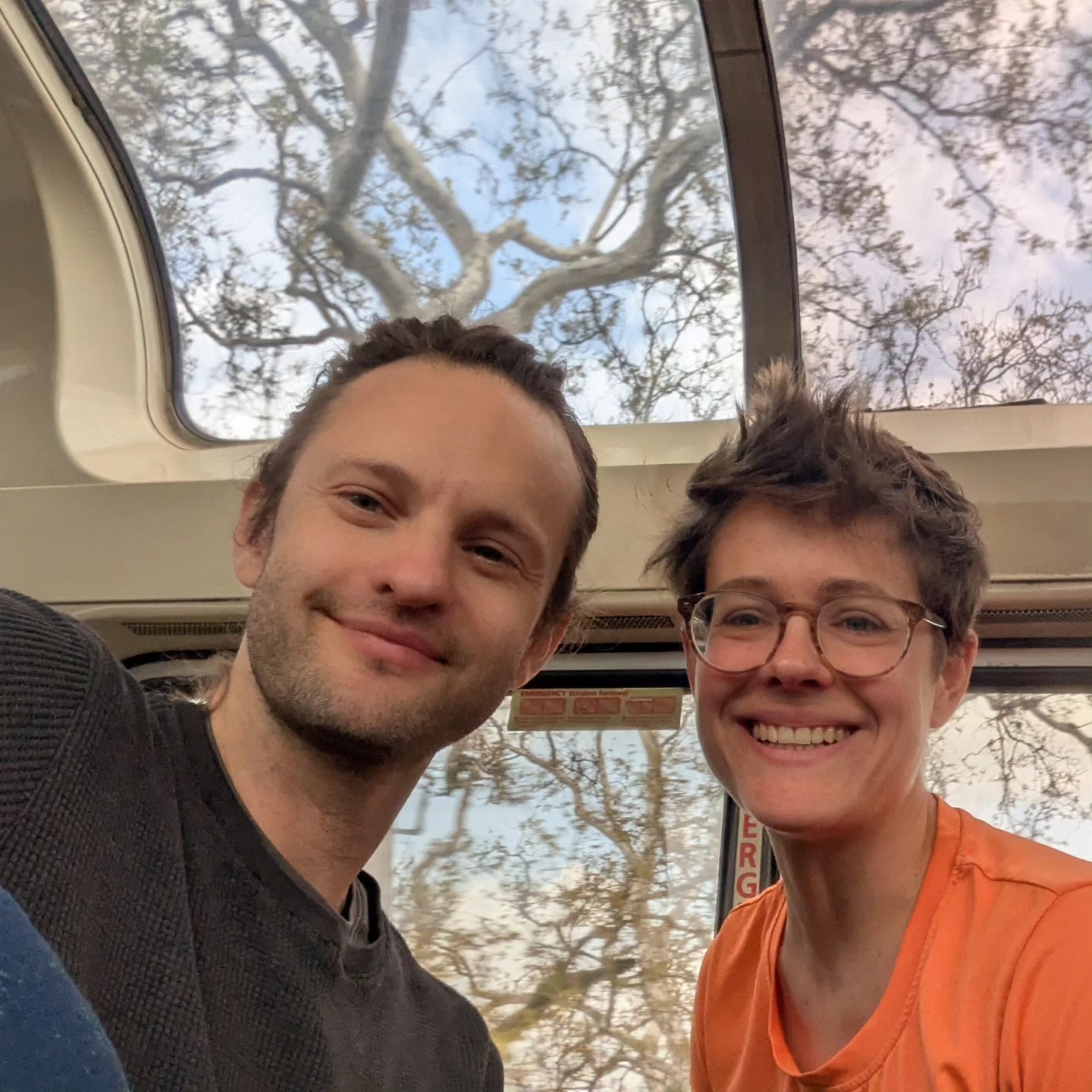
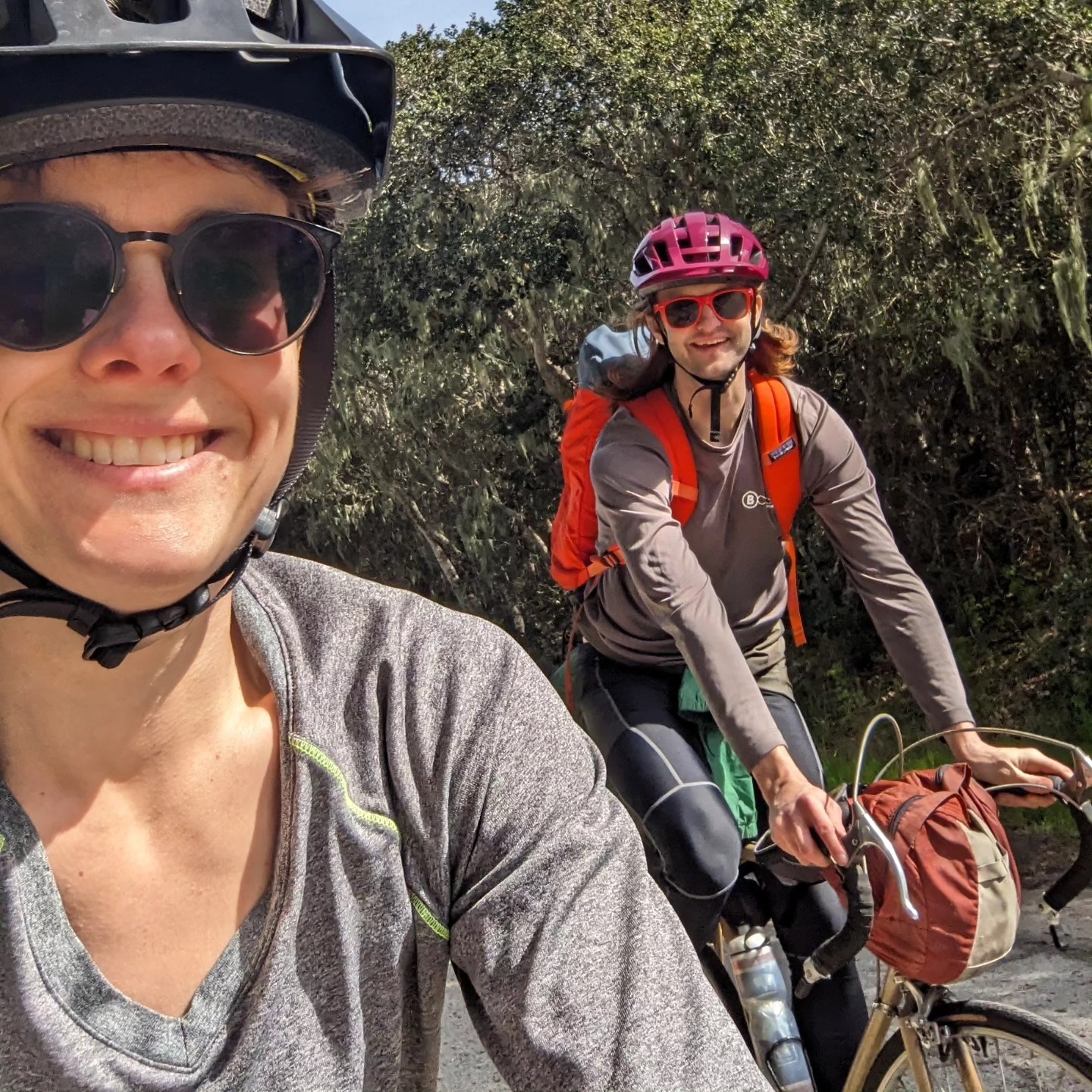
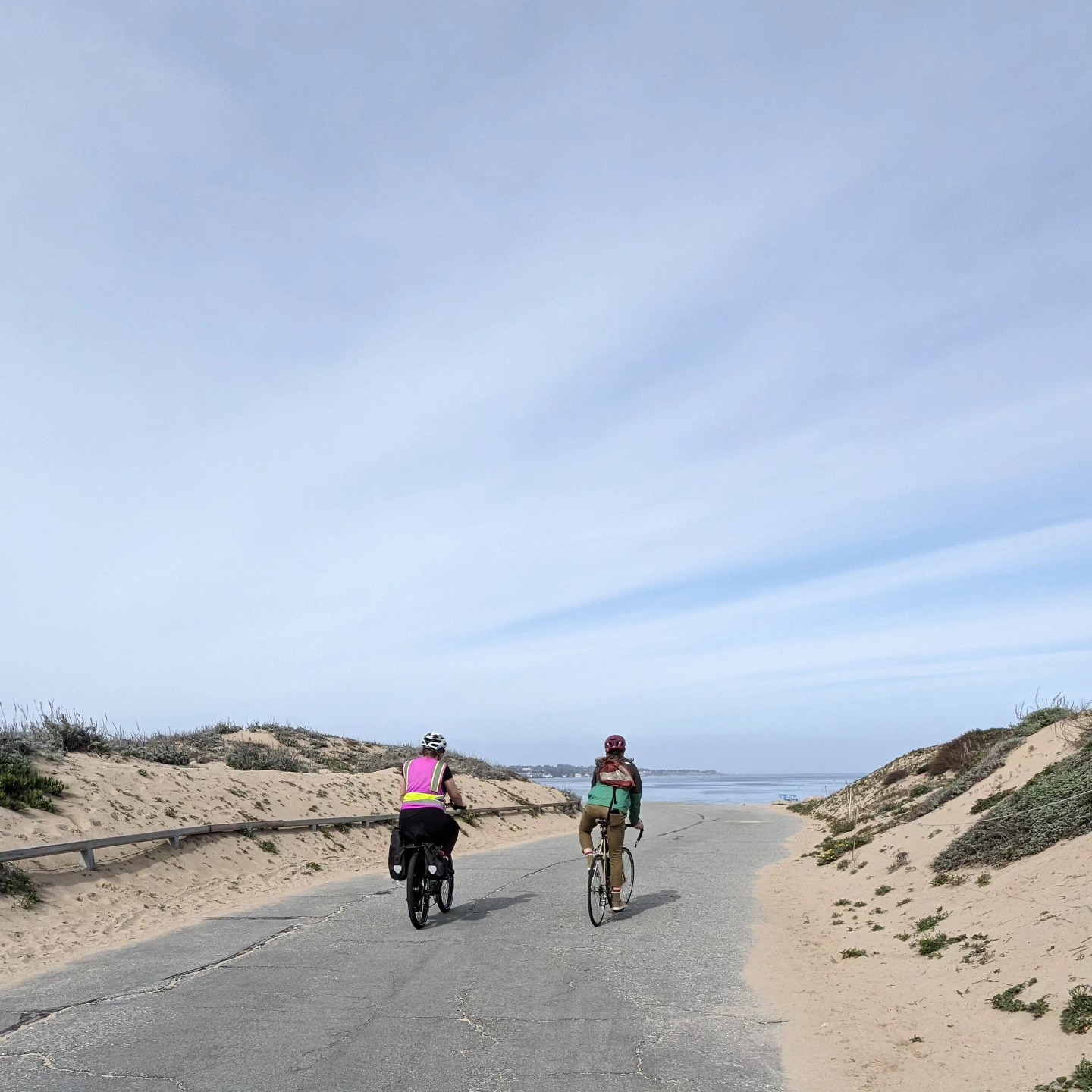
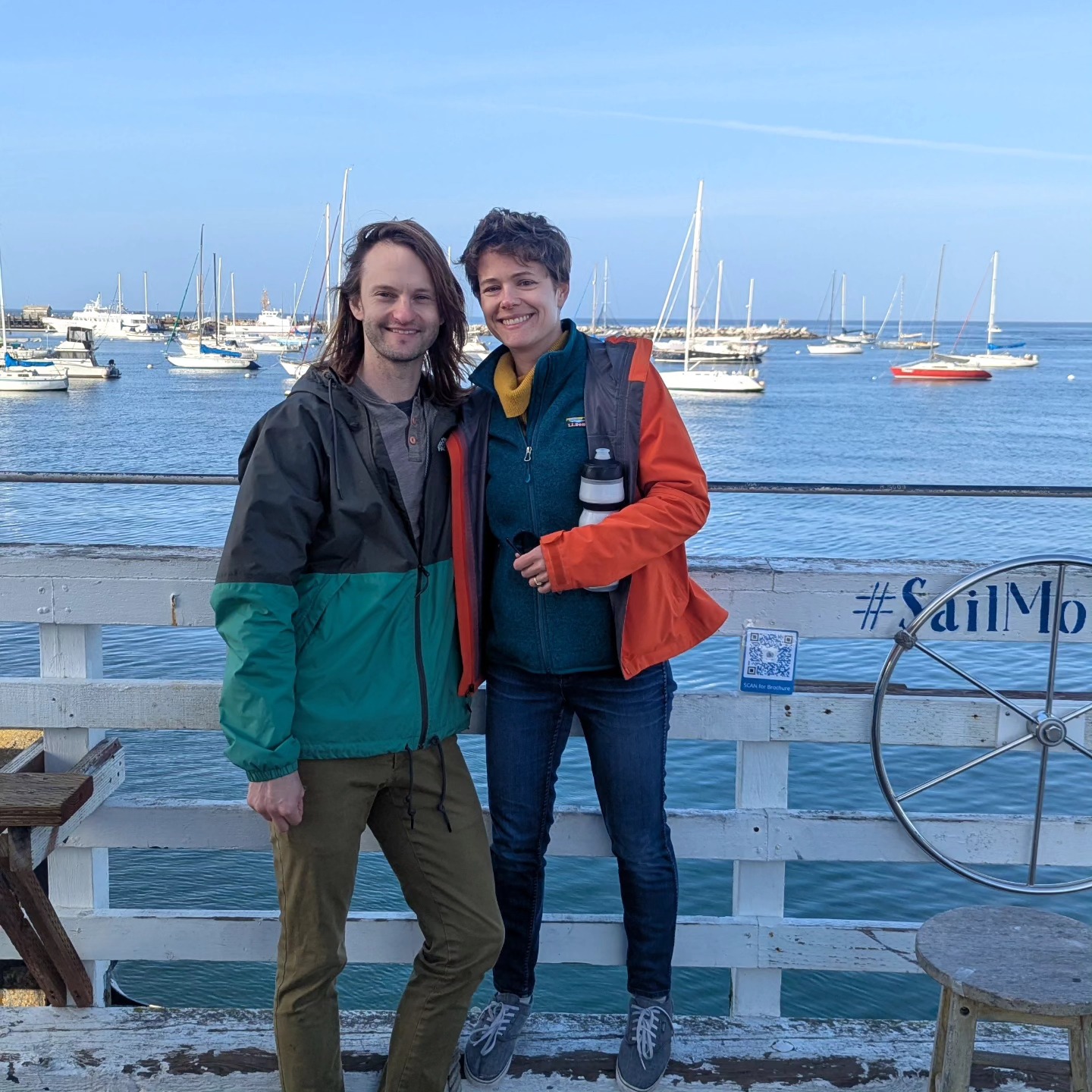
We rolled our bikes onto the Coast Starlight for a weekend in Monterey, meeting a long-time flight-free, ebike-loving friend we’d only ever known from Instagram in person for the first time. We caught the train in Emeryville, hopped off in Salinas, and rode a fairly flat, for California anyway, fifteen or so miles to Seaside, partly through Fort Ord National Monument, which closes its roads to cars entirely on weekends and turns into an absolutely lovely ride because of it. Our friend gave us a full bicycle tour of town and took us to some fantastic vegan restaurants, the kind of local knowledge you only get from someone who actually lives there.
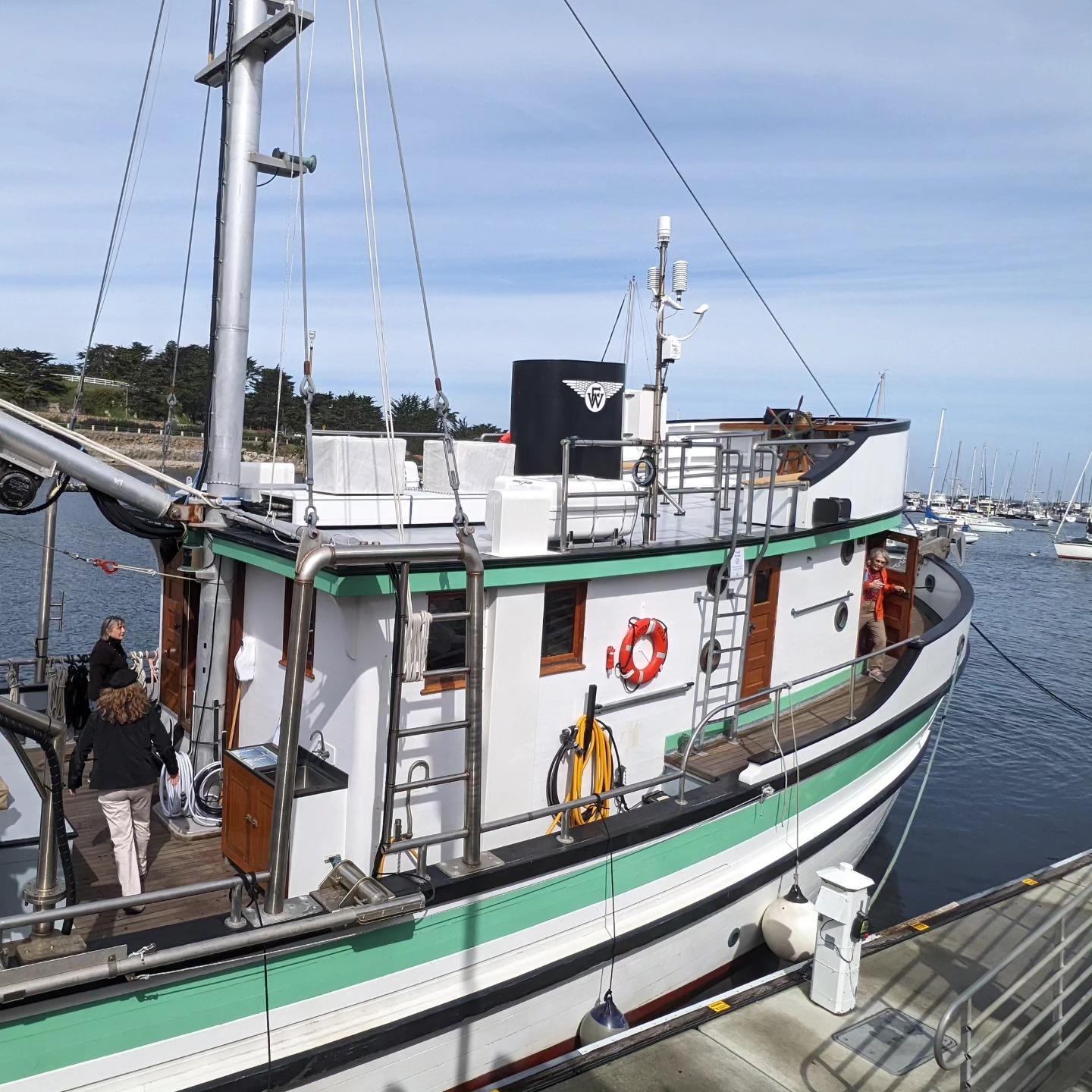
We also got to see the Western Flyer, fully restored and looking magnificent, which felt strangely serendipitous. We’d happened to see that same ship years earlier, mid-restoration, scaffolding and all, while bike touring through Port Townsend on our original cross-country trip. Running into it again, finished this time, felt like the kind of coincidence that makes a trip feel like it’s connected to everything else you’ve ever done instead of sitting alone on its own timeline.
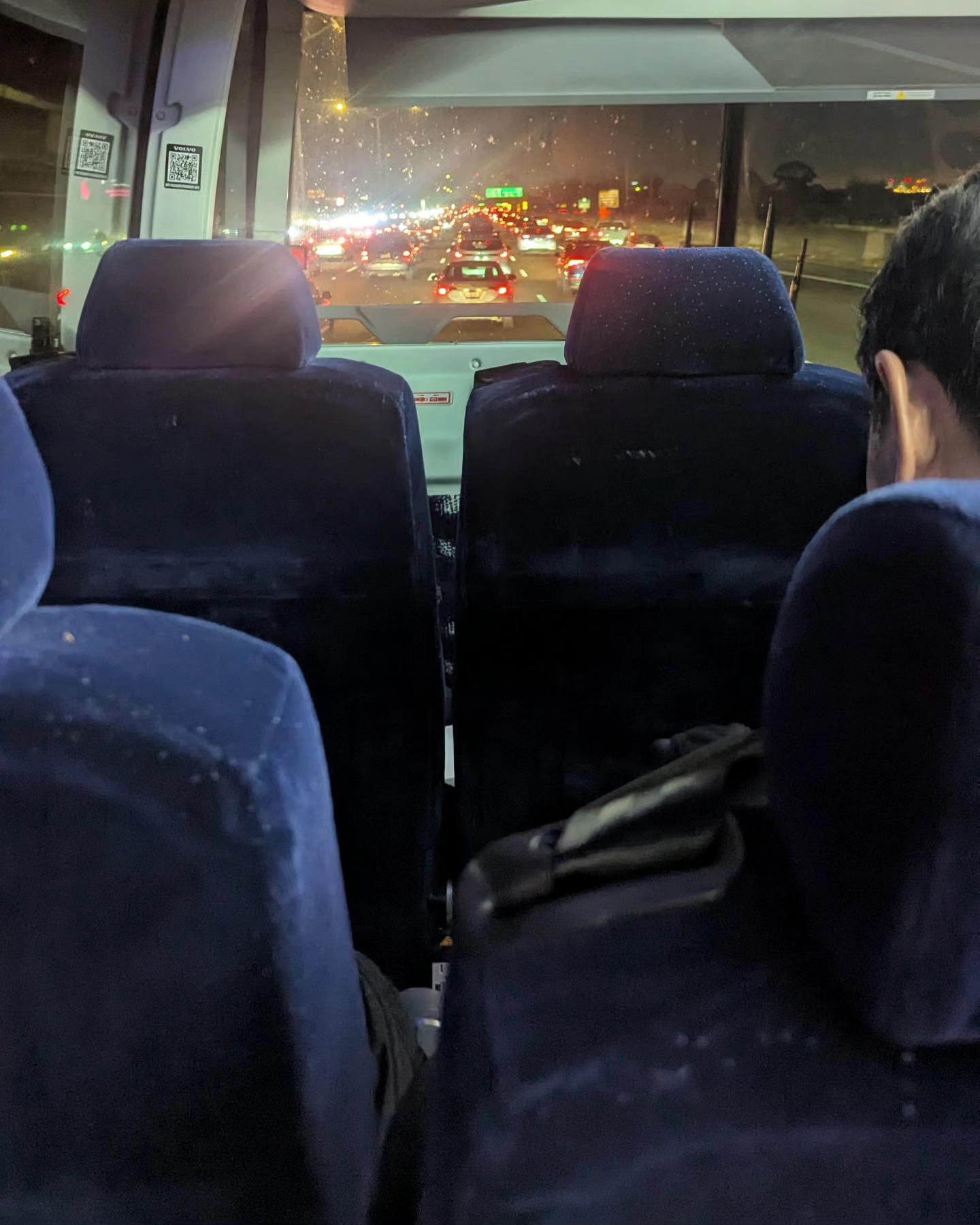
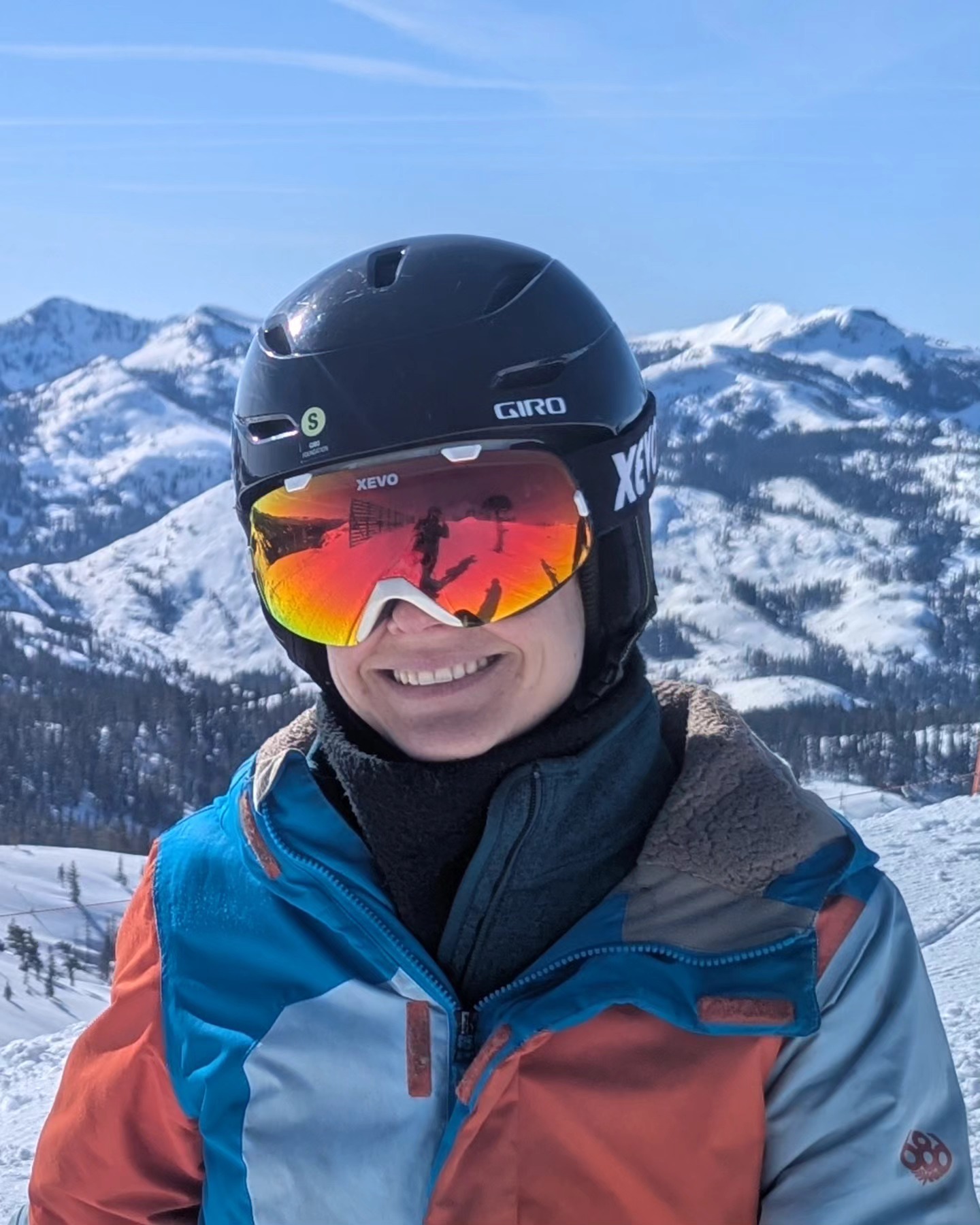
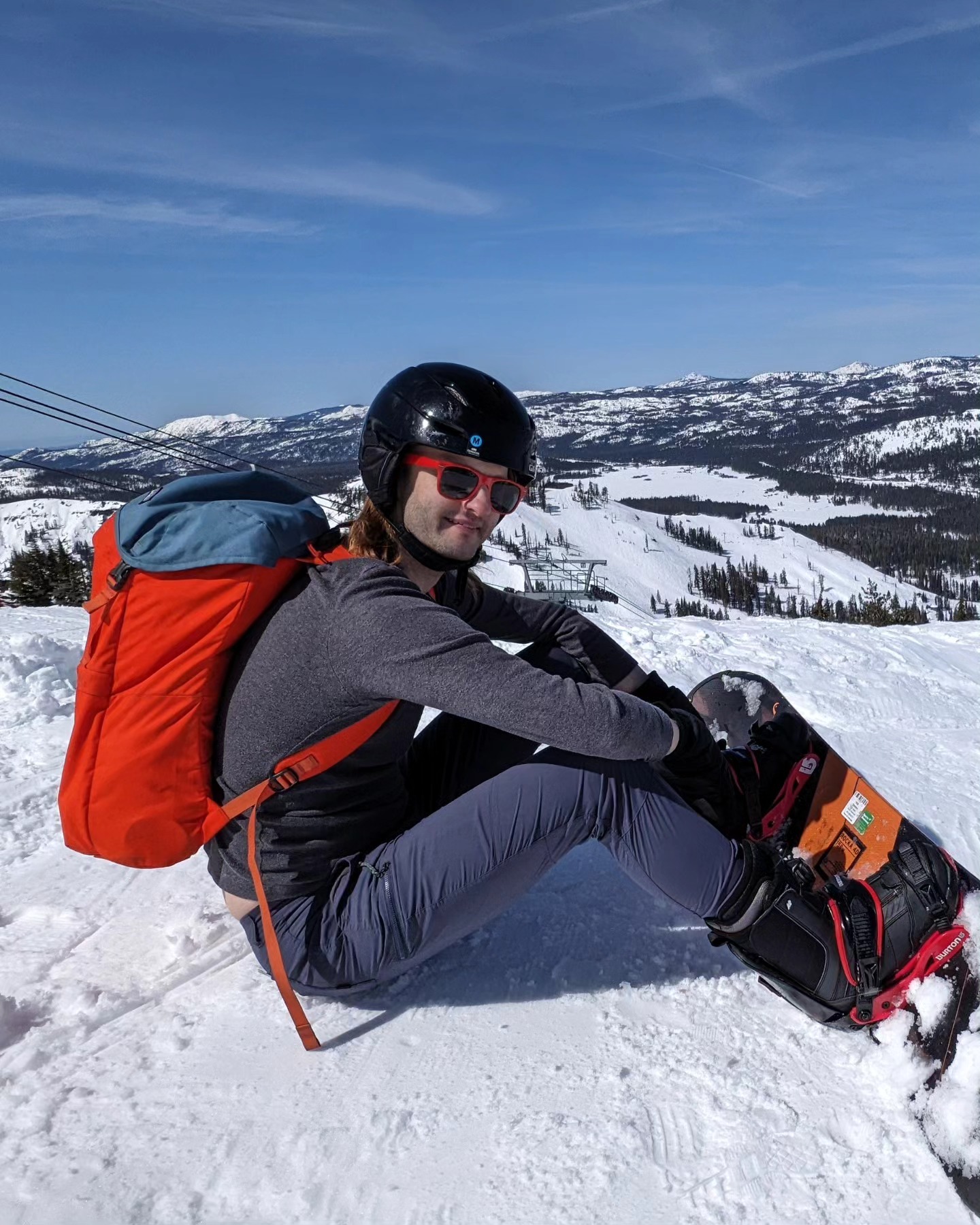
We found a way to get to Tahoe car-free, which meant skipping the terrible traffic entirely, the kind of gridlock that turns a two hour drive into a five hour ordeal on any given powder day. A local outdoor shop runs a shuttle straight from the store to several ski areas in Tahoe, picking up around five thirty in the morning and getting us to the mountain by eight thirty, early enough to be first in line instead of stuck in a parking lot. We slept most of the way there, woke up at altitude, and had a great day on the snow. It’s pretty affordable too, with discounted lift tickets built right into the program on top of it. We’ll definitely be leaning on it a lot more in the future.
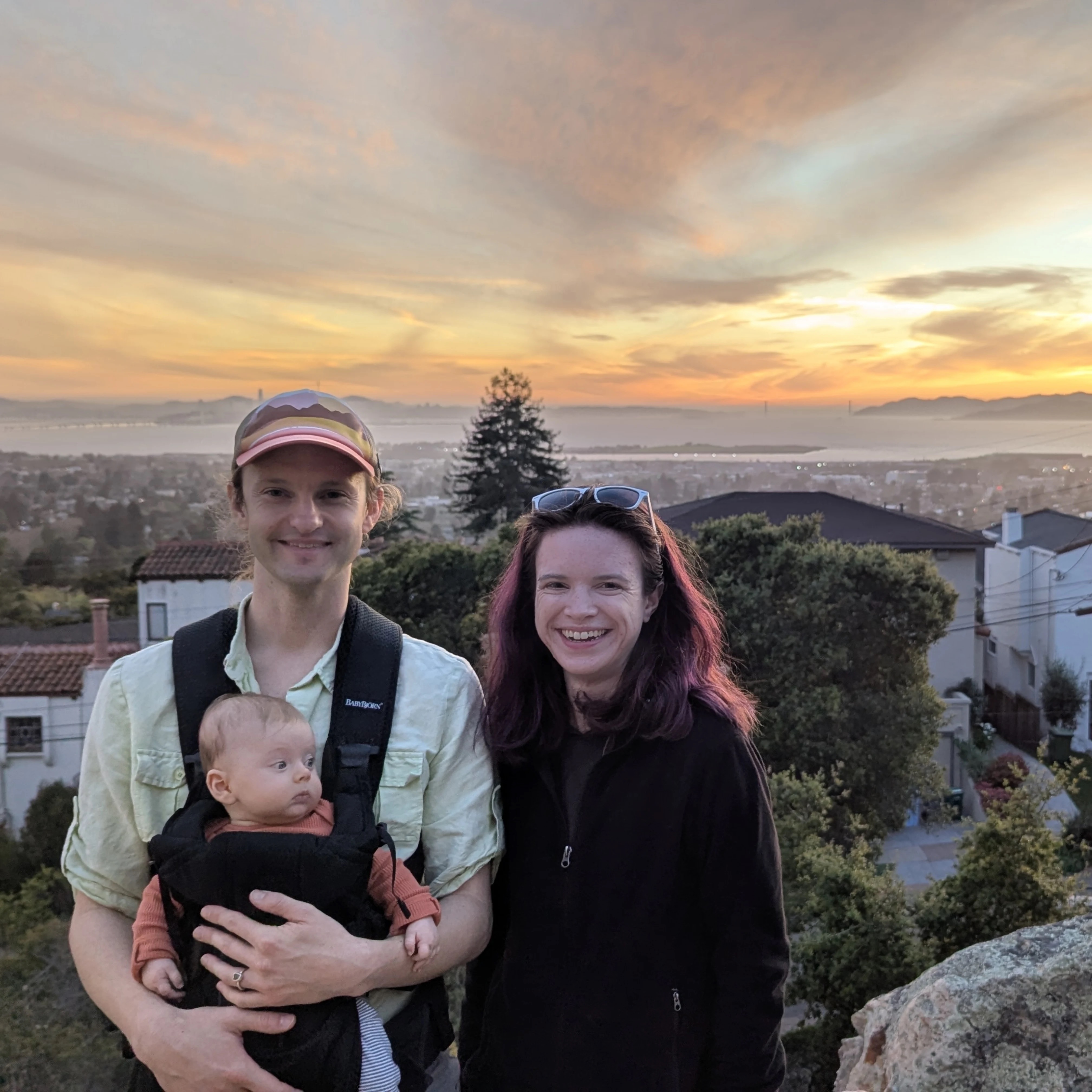
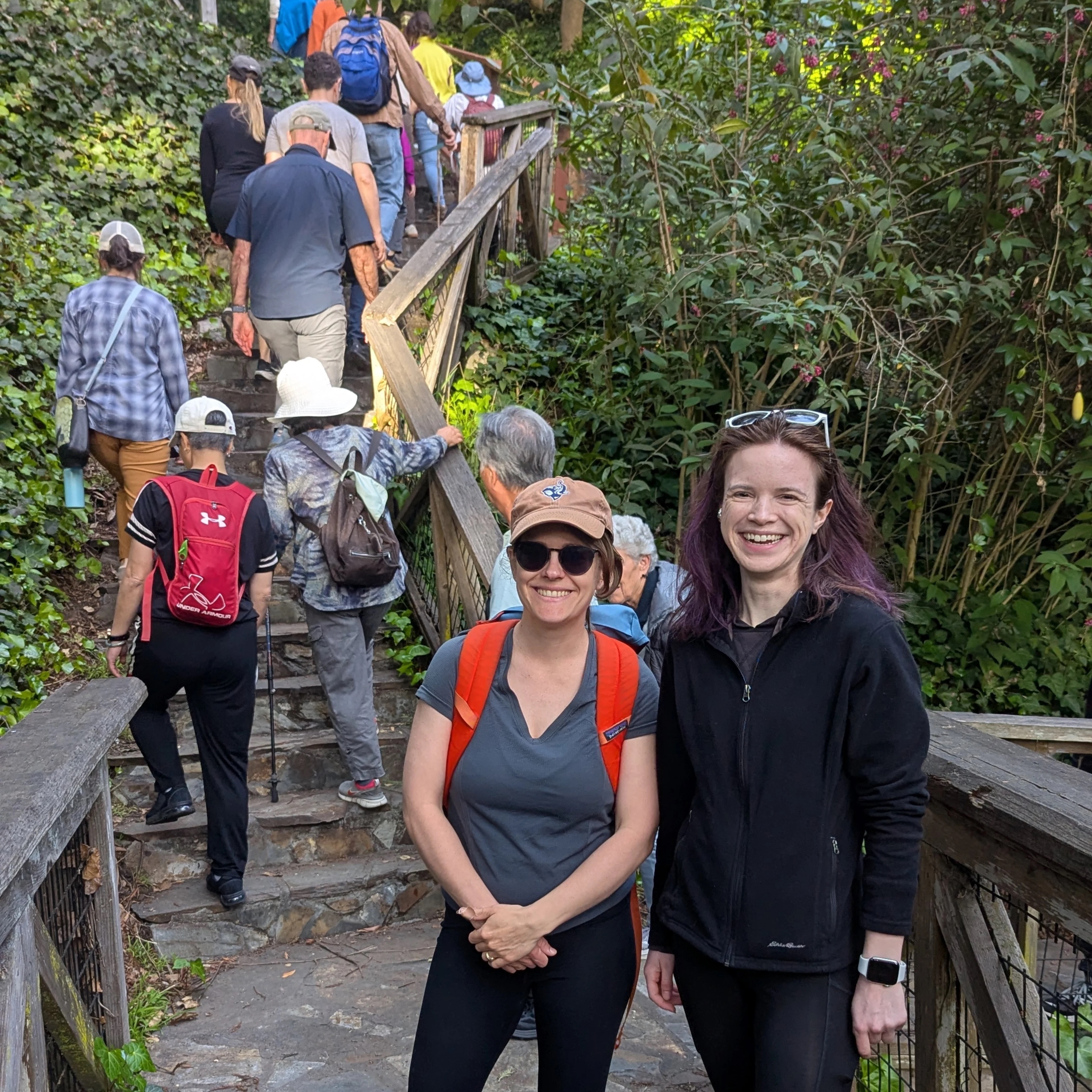
Not every trail needs a plan at all. A recent city hike with a friend and the local Berkeley Paths group was a good reminder that some of the best transit-to-trail moments are just a short walk from the front door, no train ticket or shuttle schedule required, just a genuinely pretty place and good company.
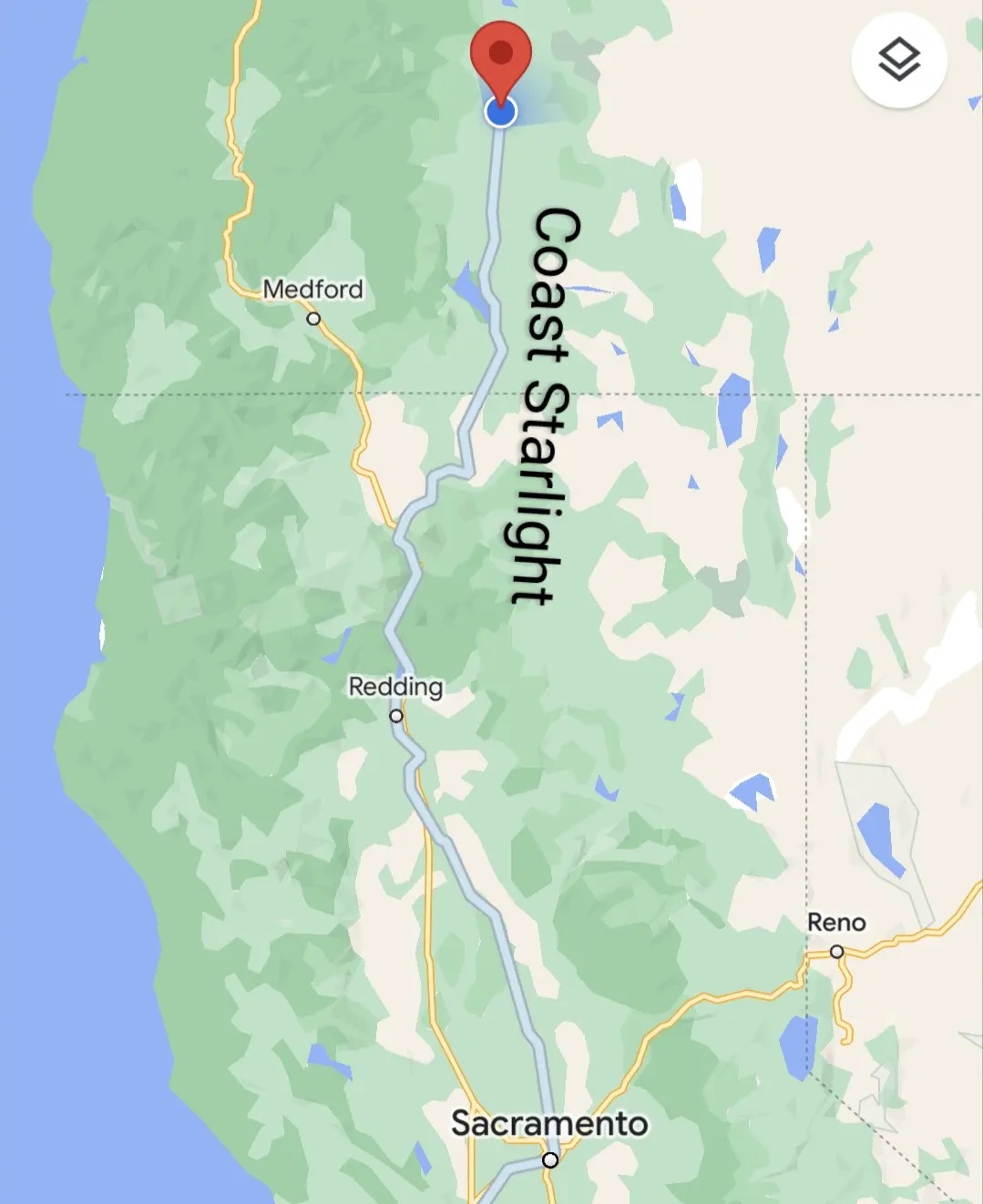
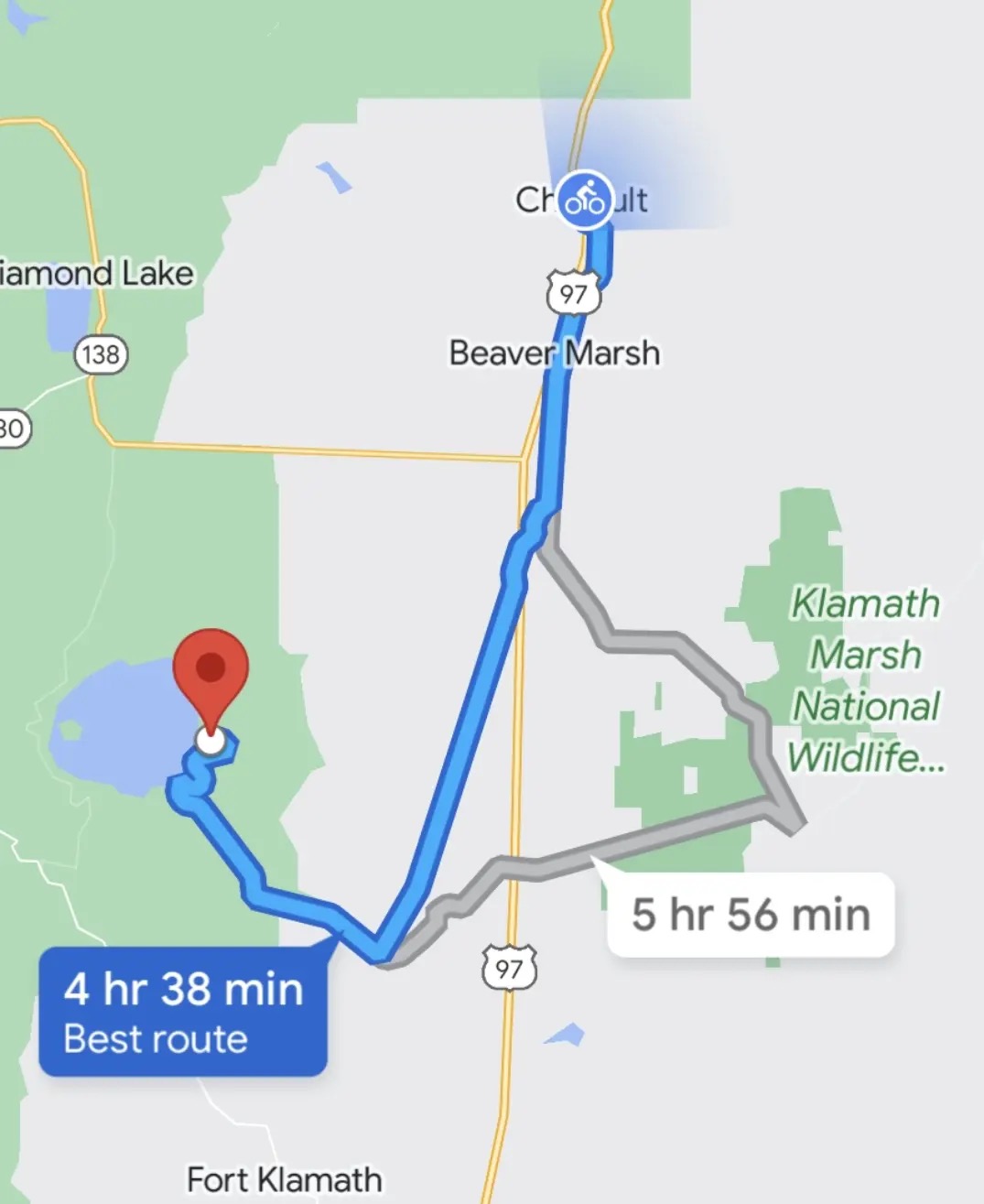
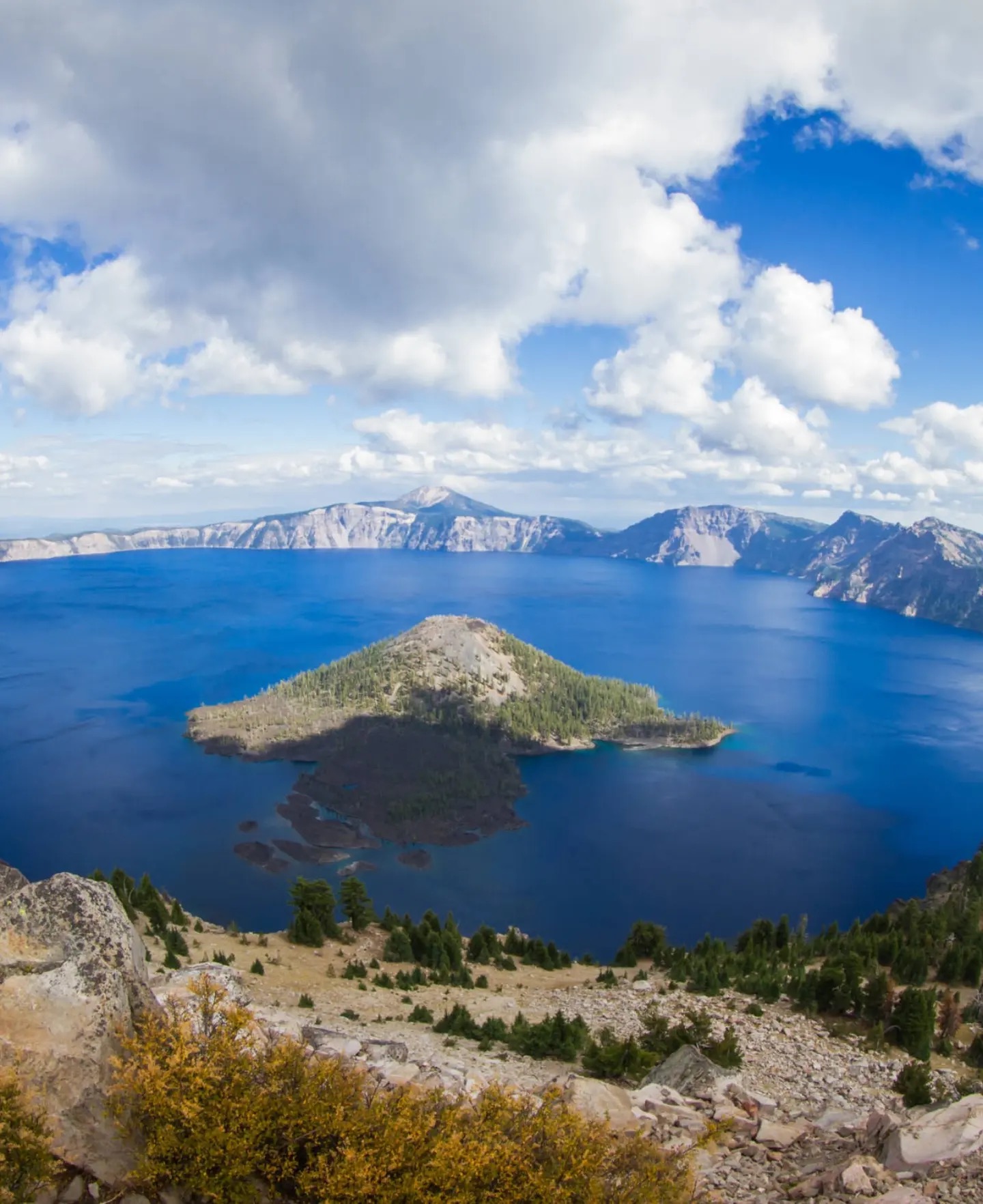
Not every idea gets executed on schedule. We mapped out a West Coast train-to-bike-to-trail route years ago, back when we were still researching hot springs and campsites for an entirely different trip and stumbled onto the idea sideways: the Coast Starlight with an ebike to Chemult, Oregon, then a 4.5 hour ebike ride up to Crater Lake National Park. We never got around to doing it that particular year, and the logistics turned out to be messier than we first assumed anyway. It looks like you’d actually have to box your bike to get off at Chemult, since roll-on access isn’t set up there the way it is at some other stops, though Klamath Falls might end up being the better place to disembark instead. We’ve been meaning to look into how you’d even go about requesting roll-on access get added somewhere like Chemult, one small bureaucratic step at a time. For now it’s stayed on our maps as a suggested route, half planned and half aspirational. Half of this hobby is just planning the next trip.
From a lake in the Midwest to a mountain in Tahoe, the throughline is the same: you almost always have more car-free options to the trailhead than it looks like at first, even when getting there takes four days, three bus agencies, and a healthy amount of faith in a schedule posted at a rural bus stop in the dark.
Loving our years in Wisconsin, and why California's policies pulled us back
From a modified boat trailer to a finished velomobile with solar panels on the way
Want to learn more and make your travel sustainable? Reach out on our social media or send us an email to let us know your story.